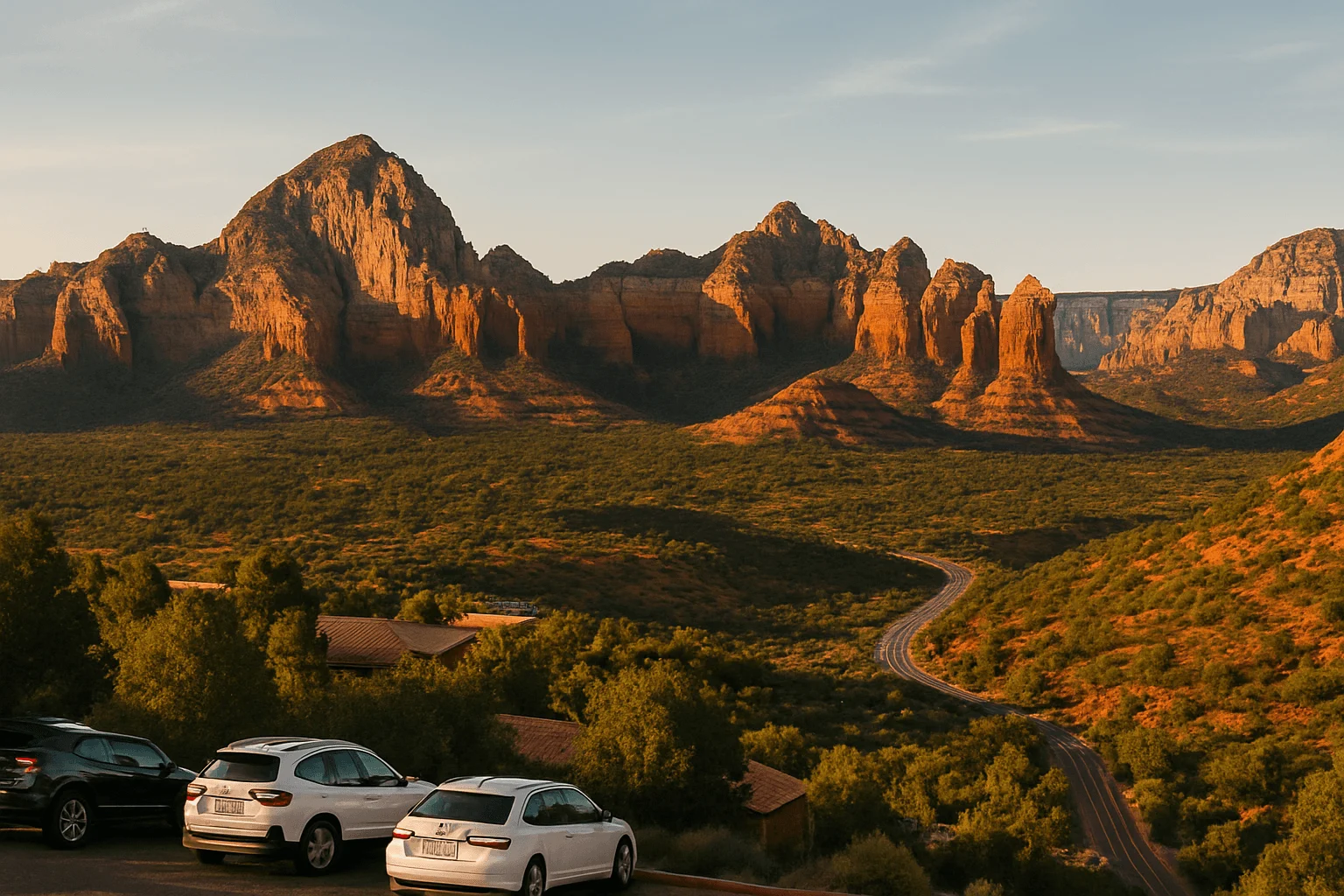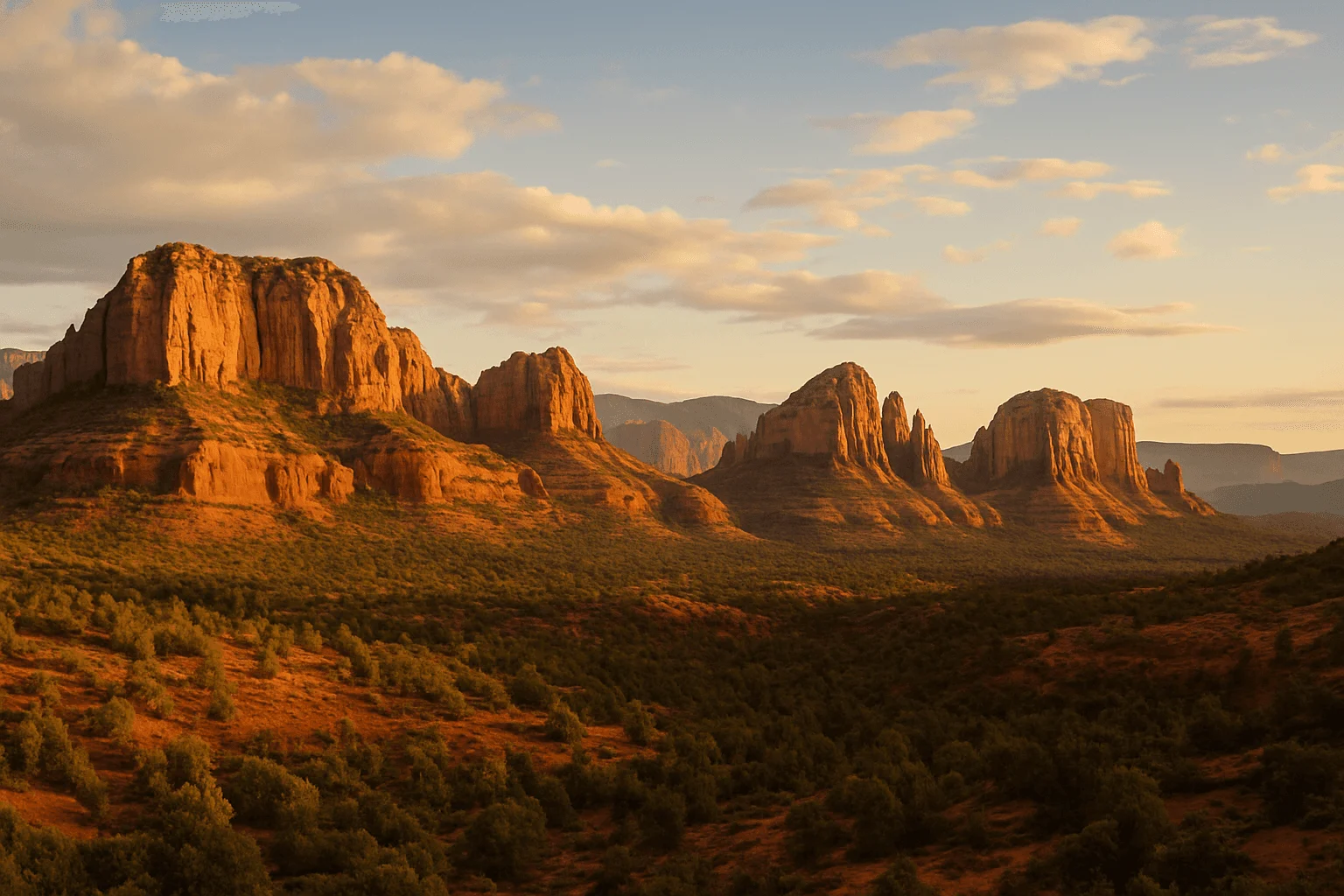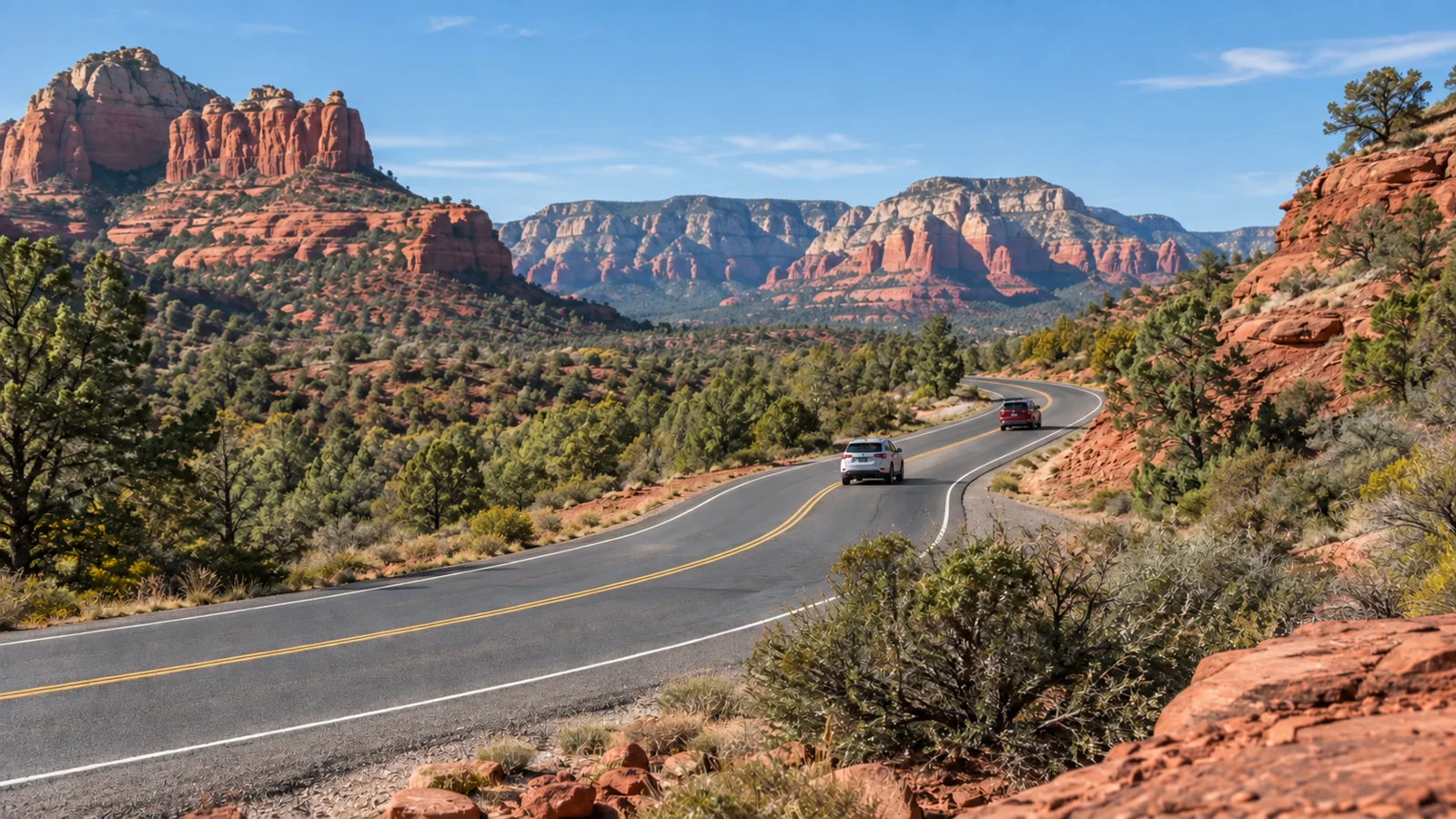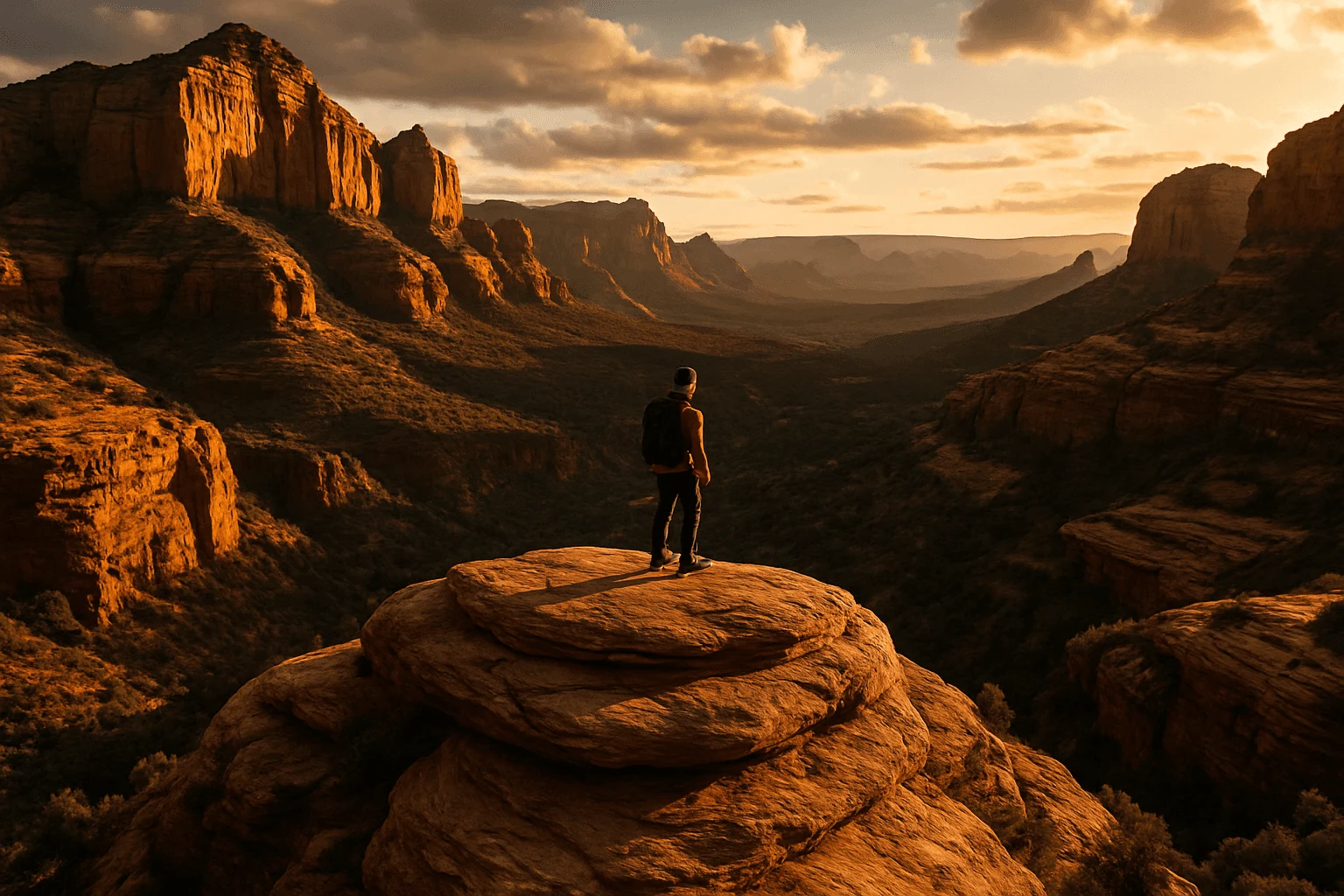
For most first-time visitors, April and October offer the easiest balance of hiking weather and long usable days. March, May and November can be excellent too, with a little more variability. Winter is the quiet-weather gamble: crisp red-rock days can be beautiful, but snow and ice sometimes change the plan. June brings dry heat, while July through September adds monsoon storms to the afternoon forecast.
That is the quick answer. The better answer depends on what you want to do before lunch, how comfortable you are with heat, and whether you would rather change a trail plan than compete for a popular trailhead. Sedona sits around 4,300 feet, so its seasons are more pronounced than many Arizona visitors expect.
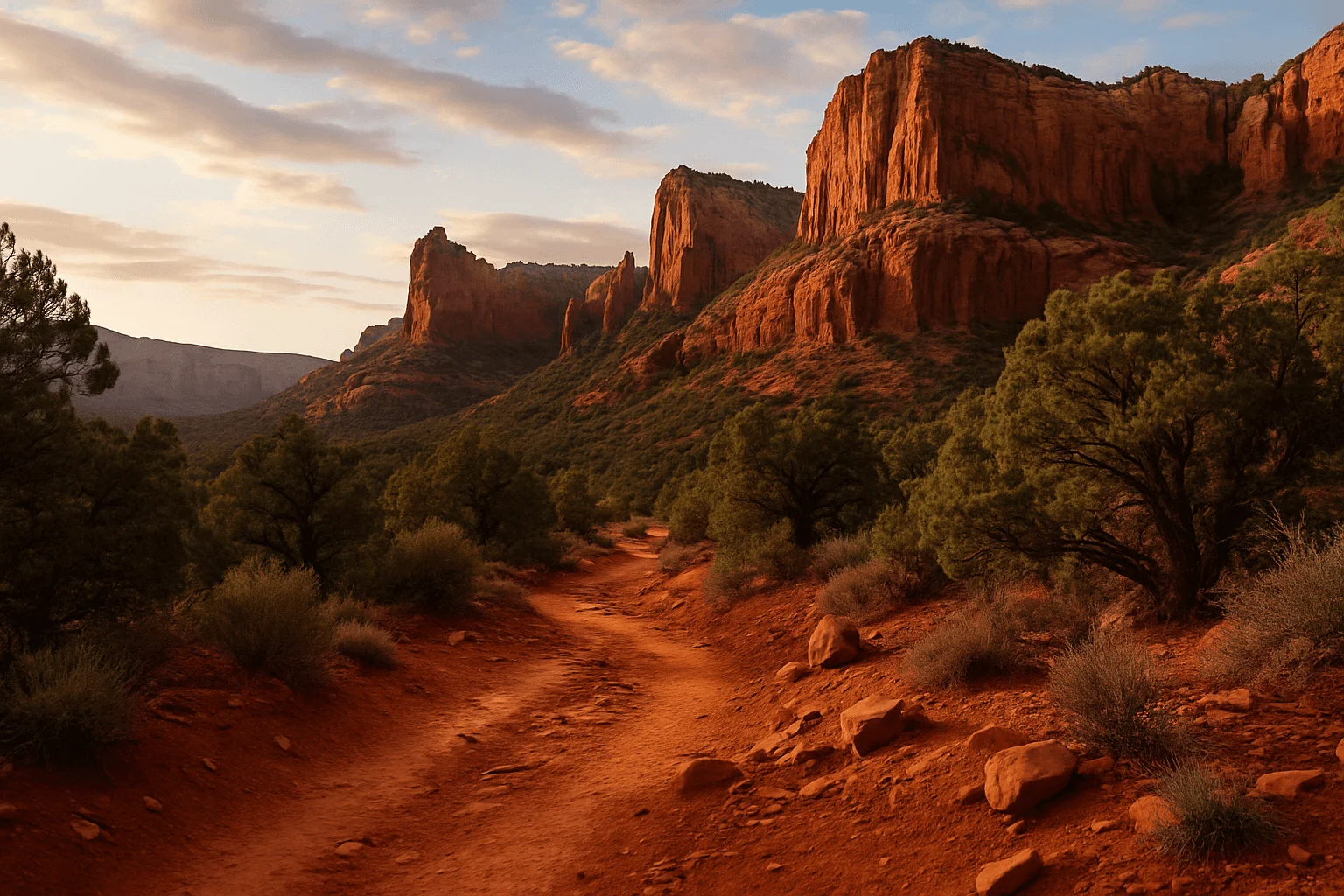
January: bright afternoons, cold starts and possible ice
January normals at Sedona's long-term climate station are about 58°F by day and 34°F at night. On a calm, sunny afternoon that can feel ideal for a lower trail. Before sunrise, in a shaded canyon or after a storm, it is a different trip.
Choose January if you value space and can keep the itinerary flexible. Pack warm layers, gloves and footwear that can handle frozen patches. Cathedral Rock and other steep sandstone routes are poor places to test icy traction. After precipitation, check current road and trail conditions instead of assuming every red-rock surface has dried because town looks clear.
February: a good hiking month with winter still in the room
February averages roughly 61°F/36°F. Days begin to stretch, but a warm forecast should not erase the winter layer in your car. This is a strong month for travelers who can start later in the morning and do not need pool weather.
Holiday weekends and the first spring-break traffic can make a quiet month feel busy. If a popular trail is the priority, check the Sedona Shuttle schedule for your dates; service can expand during spring-break periods.
March: spring energy and changeable conditions
March normals rise to about 68°F/40°F. Wild temperature swings, wind and an occasional late storm are still possible, but this is when longer hiking days become much easier to plan.
Arrive with two versions of the day: a longer exposed hike for a mild forecast, and a lower or shorter option if wind, mud or a cold front arrives. Spring-break demand can affect parking and lodging, so secure the experience that matters most and leave the rest of the schedule loose.
April: the easiest all-around choice
April's normal high and low are about 75°F/44°F. For many visitors, this is the sweet spot: comfortable mornings, warm afternoons and enough daylight for an unrushed trail followed by dinner.
The tradeoff is popularity. Treat trailhead access as part of the plan, especially on shuttle days, and make the first hours of the morning count. If you have only one Sedona hike in you, our best-hikes guide helps match the route to your footing and tolerance for exposure.
May: warm, dry and best with an earlier rhythm
May averages about 84°F/53°F. It can still be pleasant for a full day outside, but exposed sandstone grows hot well before the air reaches its daily high.
Start the main hike early, carry more water than you think a short route needs, and save galleries, lunch or a scenic drive for the hottest hours. This is also when the difference between a shaded canyon walk and an exposed slickrock climb becomes meaningful.
June: the clearest heat decision
June is normally Sedona's driest month, with averages near 94°F/61°F. The low humidity can disguise how quickly sun and exertion are taking a toll. It is a good month for travelers who are willing to be outside early, slow down at midday and skip a summit when the start is already late.
Do not build a June itinerary around squeezing in one more exposed hike after lunch. Oak Creek can provide a cooler setting, but water levels, parking rules and day-use capacity still apply. If Slide Rock is essential, check the state park's current alerts and arrive with a backup rather than treating creek access as guaranteed.
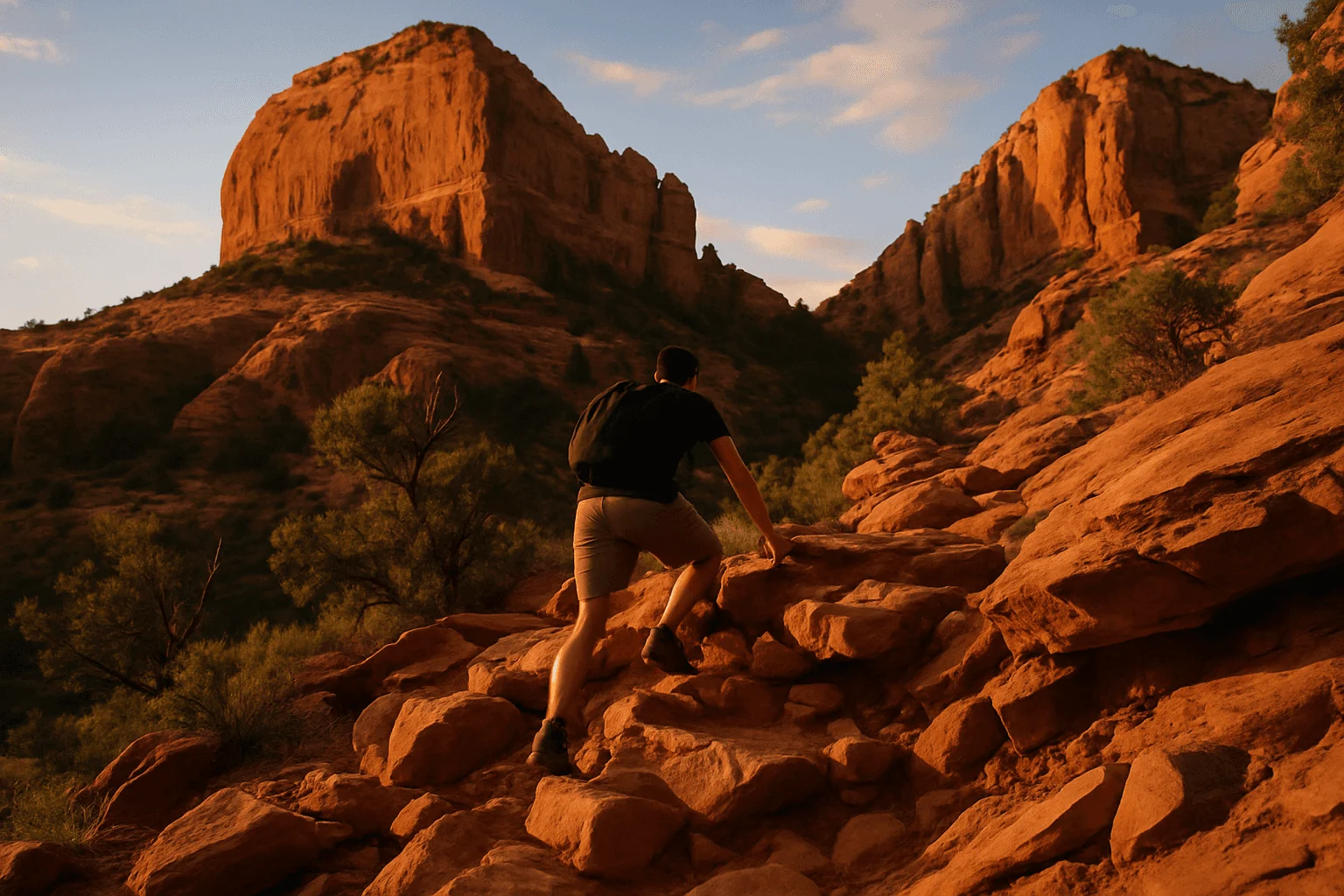
July: monsoon awareness matters more than the average temperature
July's normal high and low are about 97°F/68°F. It is the hottest average month, and it also sits inside northern Arizona's monsoon season. A clear morning does not promise a quiet afternoon.
Put exposed hikes first, watch the sky as well as the app, and turn around when thunder builds. Lightning can reach beyond the rain shaft, while dry washes and slot-like drainage areas can flood from storms you cannot see. A storm plan should mean getting off exposed rock and out of flood-prone terrain, not sheltering beneath a lone tree.
August: dramatic skies, warm nights and flexible afternoons
August averages about 94°F/67°F and is among the wetter months in the climate normals. The landscape can look vivid after rain, but slick rock, swollen crossings and lightning may remove the route you had pictured.
An August day works best in two halves: one early outdoor plan, then lunch, art or shopping while the afternoon weather declares itself. If the afternoon turns stormy, the galleries around Tlaquepaque and Mi Amoré Sedona inside the nearby Hart Store make an easy change of pace. If you book an outdoor tour, read the operator's weather and cancellation terms instead of assuming clouds mean an automatic refund.
September: summer at first, early fall by the end
September normals are roughly 89°F/61°F. Early in the month can still feel like summer and remains within the usual monsoon window; later mornings often become noticeably easier.
This is a good compromise for couples or families who want warm evenings without committing to peak summer heat. Keep the early-start habit and check conditions after any storm, particularly before routes with creek crossings or unpaved access.
October: the strongest mix of trail weather and evening comfort
October averages about 79°F/51°F. It is one of the simplest months to recommend for hiking, patios and a day that does not need to be divided around extreme heat.
It is also a month many other travelers choose. Book the must-do room or tour before filling the calendar with optional stops. Oak Creek Canyon's fall color varies with elevation and weather, so treat foliage as a seasonal possibility rather than a promise tied to one weekend.
November: cooler hiking and shorter daylight
November drops to around 67°F/41°F. Midday hiking can be lovely, while shaded canyons cool quickly. The best version of this month is a deliberate one: choose a route that fits the available daylight and keep a layer in the daypack.
Holiday periods can create their own travel surge. Outside those dates, November often suits visitors who care more about trails, galleries and a good dinner than pool time.
December: a winter trip, not guaranteed winter scenery
December normals are about 58°F/33°F. Snow dusting the formations is memorable when it happens, but it is not something to schedule. You may instead get clear blue skies, cold mornings and dry trails.
Build the trip around experiences that work without snow. Check road conditions before driving Oak Creek Canyon during a storm, and never rely on a fixed construction or closure schedule: use AZ511 for the live road picture.
Choose the season around the experience
For hiking: April, October and much of March, May and November are the broadest comfort windows. The route still matters. An exposed loop, a shaded creek trail and a short scramble do not share the same ideal start time.
For fewer people: winter weekdays can feel calmer, but weather and holiday weekends can reverse that advantage. Start early and use the city's trailhead systems rather than searching for a secret parking trick.
For photography: every season can work. Winter brings low-angle light and the chance of snow; monsoon season can bring dramatic skies; fall sometimes colors Oak Creek Canyon. None of those conditions is guaranteed.
For water time: late spring through early fall is the intuitive window, but creek conditions and park capacity decide the actual day. Cold water, currents, storms and closures deserve more weight than the air temperature.
For tours: choose the experience first, then the hour. A rough-road Jeep tour and a guided hike respond differently to heat, rain and changing road access.
A local way to pace the day
Sedona is easier when one meaningful outdoor plan carries the morning and the afternoon remains flexible. In warm weather, start before the exposed rock heats up. In winter, let ice soften and choose the route that actually dried. During monsoon season, keep the afternoon open enough to respect the sky.
If that open time brings you toward Tlaquepaque and Brewer Road, Mi Amore Sedona is inside the historic Hart Store at 100 Brewer Road. It is a natural indoor stop for curated gifts and home and garden finds between the creek corridor and town, without pretending the shop is on Uptown's Main Street.

The best month is the one your plan can handle
April and October are the safest general recommendations, but they are not automatically the best months for every visitor. A flexible January trip can be wonderful. A July visit can work beautifully for early risers who respect storms. A November hiking weekend may suit you better than a crowded spring break.
Pick the month by its tradeoffs, not a promise of perfect weather. Then check the forecast, road alerts, shuttle schedule and trail status again shortly before you go. That final check matters more than any annual average.
GOOD TO KNOW