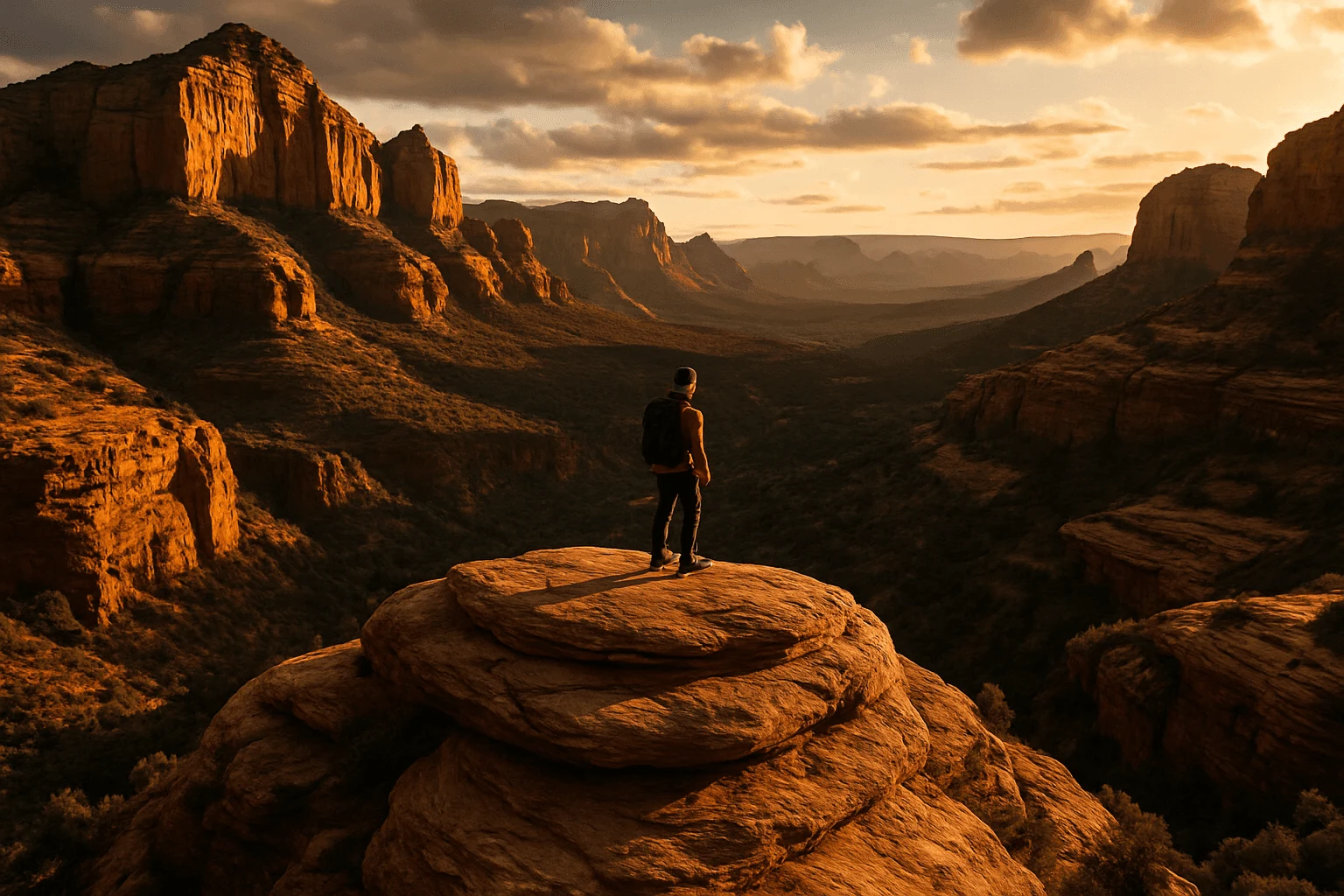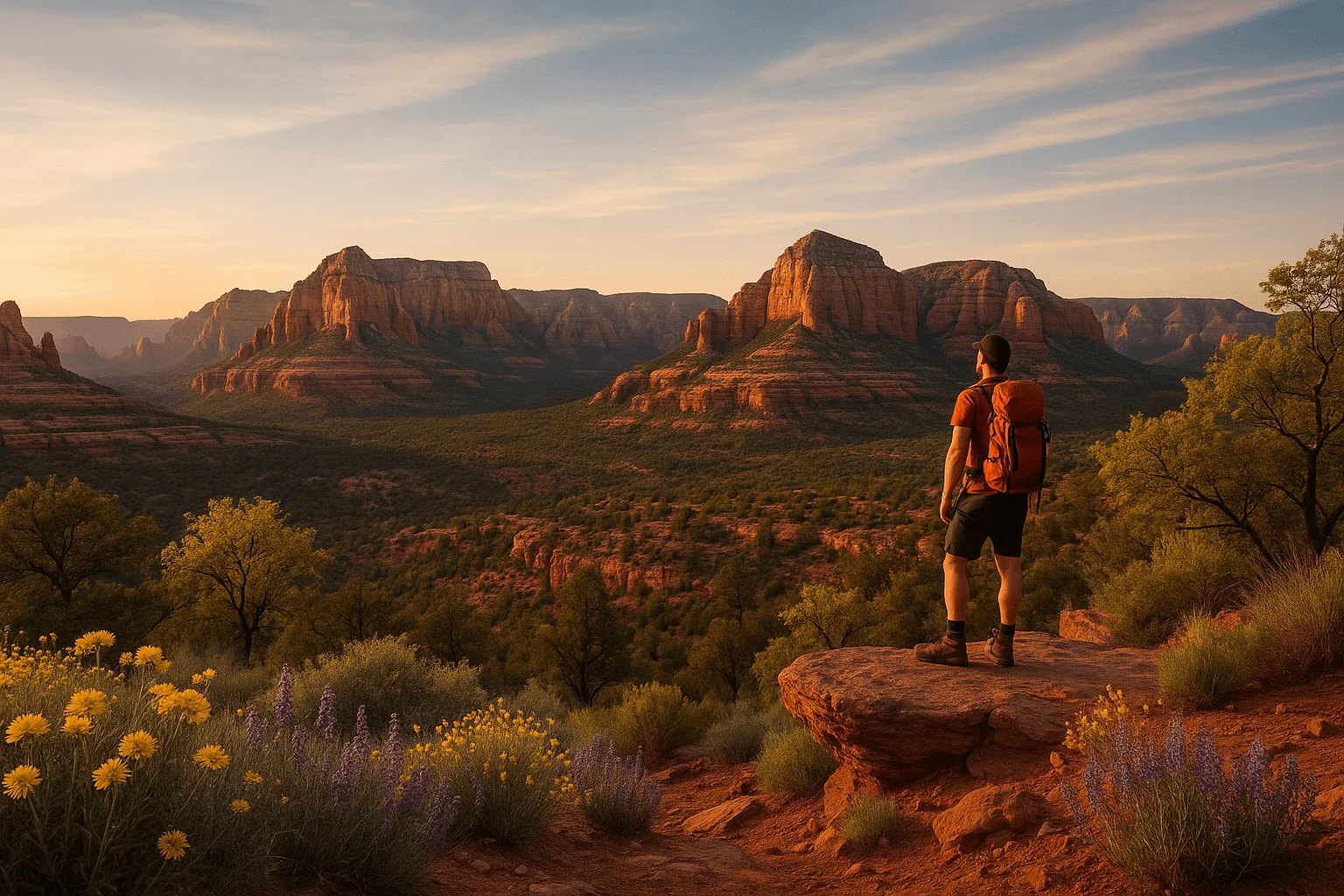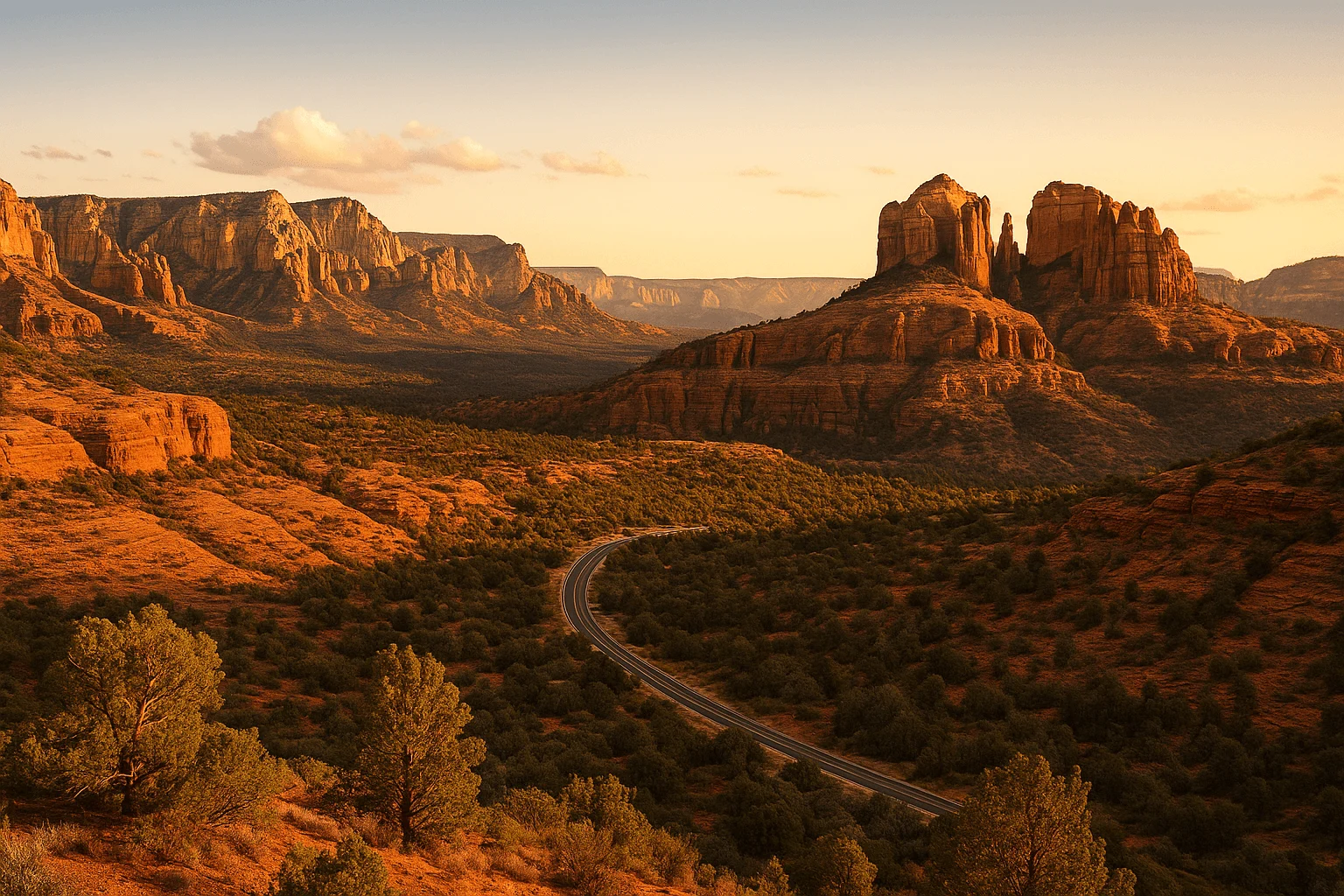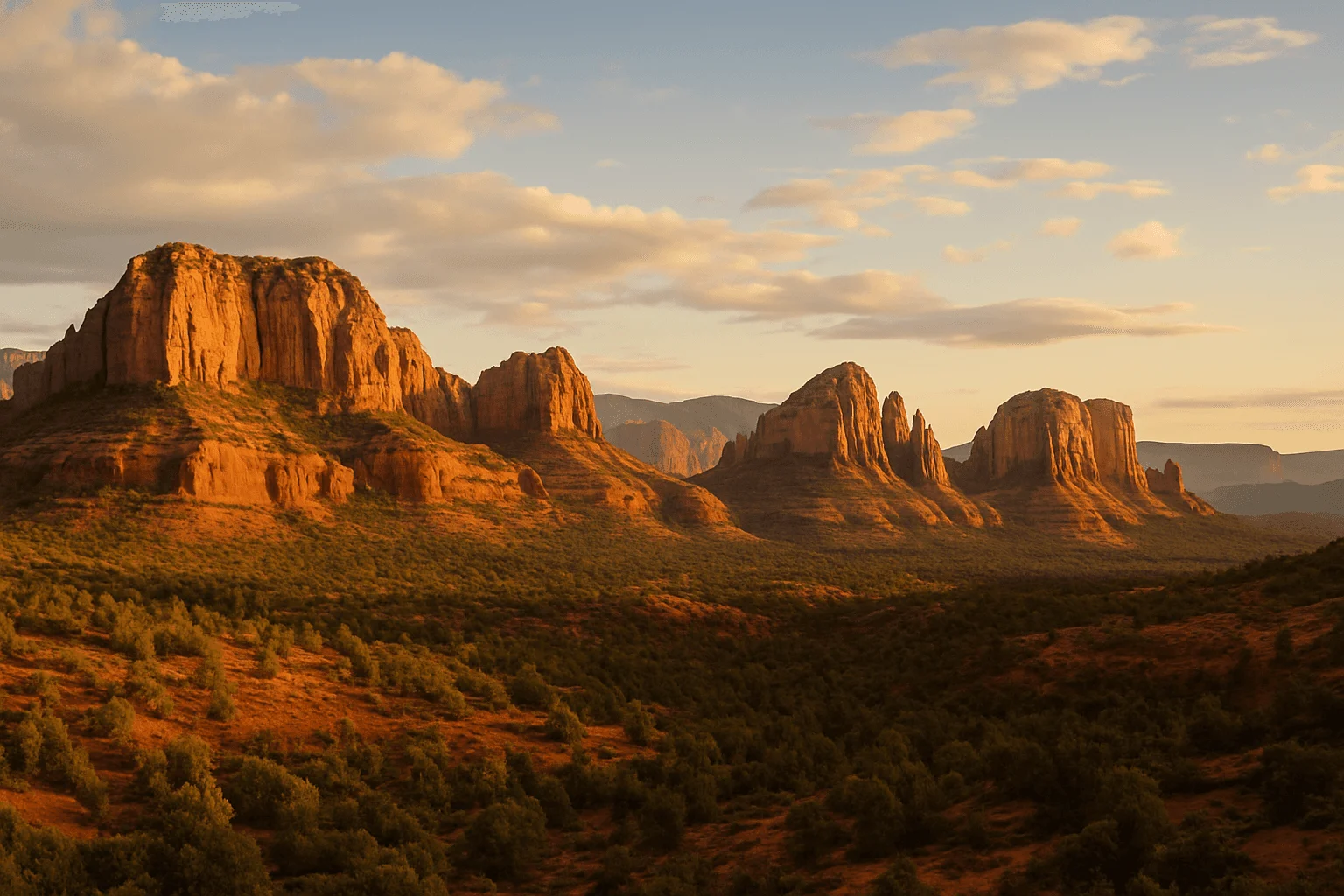
For a first Sedona trip built around hiking and time outdoors, choose April or October if your dates are flexible. You get a better chance of comfortable walking weather than midsummer, but you share the trails and roads with many other visitors. If solitude and a slower town day matter more, consider a non-holiday winter weekday. If Oak Creek swimming is the dream, come in warm weather and give the forecast—not the calendar—the final say.
That is the useful seasonal decision. Sedona is not one uniform desert: a sunny afternoon on the red rock, an Oak Creek canyon walk and a shaded gallery stop can feel like different trips on the same date. The month-by-month climate details are in our Sedona weather and crowds guide; this guide helps choose the kind of visit, with a realistic way to pace each season.
For a month-by-month weather comparison, use our best-time-to-visit guide. Here, start with the experience you want and choose the season that supports it.
Spring: long trail mornings, lively afternoons
March through May is the easiest season for a first visit that mixes a signature hike with patios, galleries and an evening walk. March can still have cool starts and shifting weather; by May the exposed rock can feel hot long before the day is over. For the most forgiving all-around plan, choose a weekday in April or early May and reserve enough flexibility to swap a hike if wind, rain or crowds change the mood.
Try one substantial morning trail rather than two famous trailheads back to back. Cathedral Rock is a steep slickrock climb, not a casual stroll, and its Back O’ Beyond parking access changes with the Sedona Shuttle service calendar. On service days, use the relevant park-and-ride and check the last return. For a less strenuous view, walk a manageable portion of Bell Rock Pathway or use the Airport Scenic Overlook as a viewpoint. These are different experiences, and choosing the gentler one can leave more energy for the rest of Sedona.
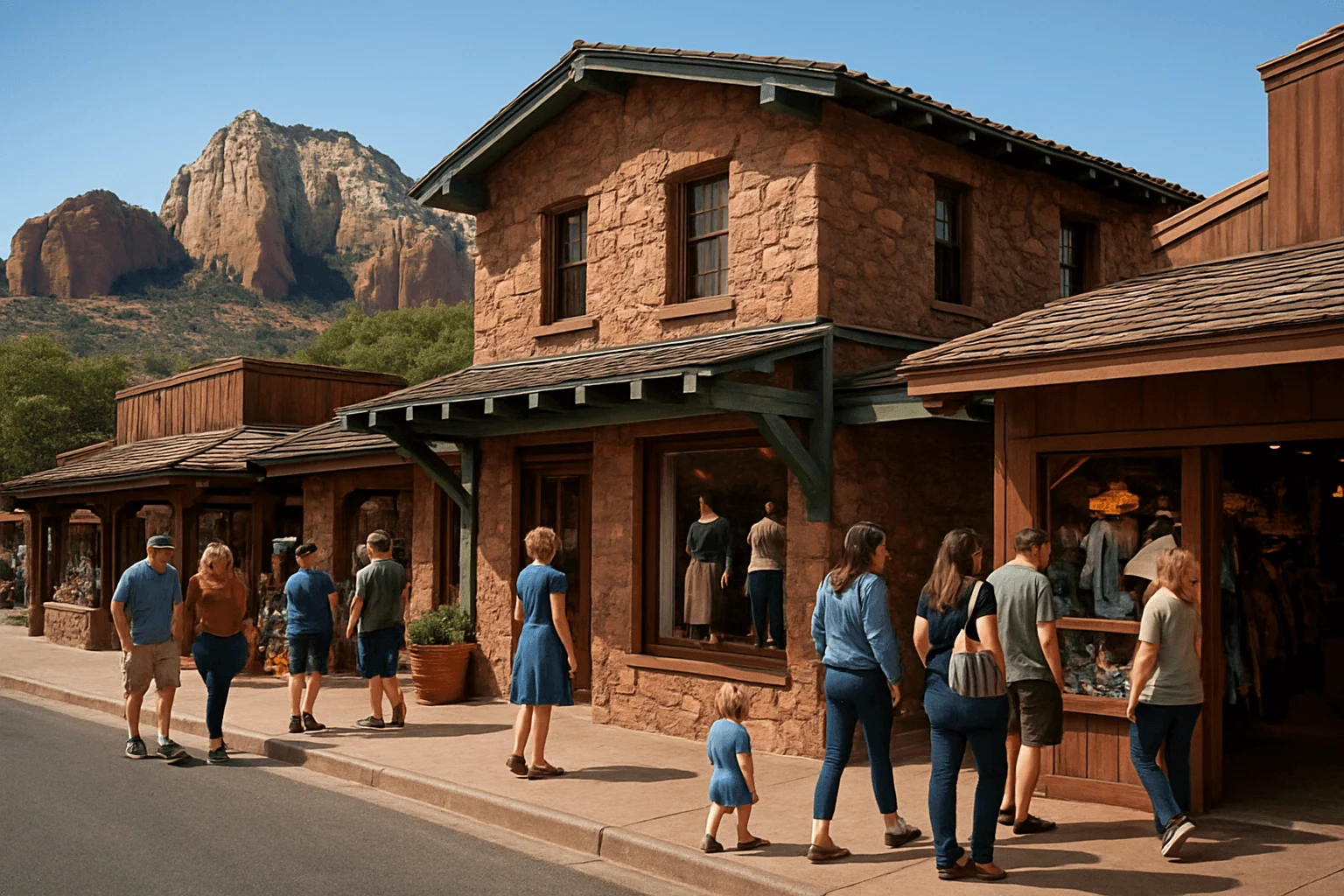
After lunch, browse Uptown’s Main Street or the courtyards of Tlaquepaque instead of circling another crowded lot. Tlaquepaque and the historic Hart Store are south of the Uptown strip; Mi Amoré Sedona is at 100 Brewer Road near Tlaquepaque, not on Main Street. A thoughtful home or garden gift is more enjoyable to choose when you have an unhurried hour rather than a final-day dash.
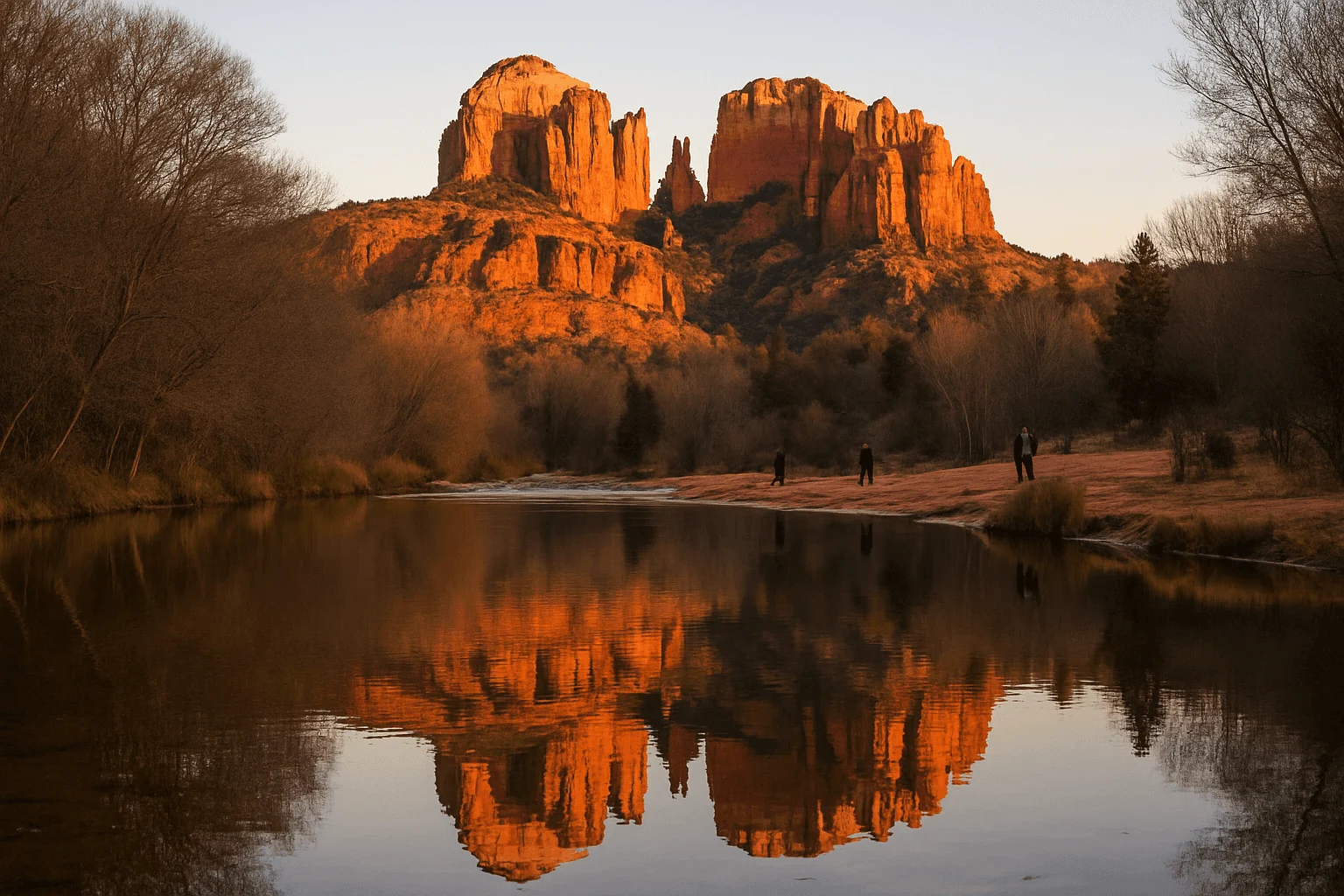
Summer: June heat is different from July and August storms
Do not treat June through August as one season. The National Weather Service says northern Arizona is often hottest and driest near the end of June. The official monsoon window is June 15 through September 30, but moisture typically reaches northern Arizona in early July. From then on, afternoon and evening thunderstorms become a planning factor, with day-to-day variation. A pleasant morning does not guarantee a dry afternoon.
If you are visiting for hiking, make the first activity an early one, carry enough water, and plan an indoor or shaded second half of the day. The exposed Cathedral Rock or Devil’s Bridge routes are poor choices to start in the hottest part of the day. A short scenic walk, a gallery visit, and a long lunch can make a better summer visit than trying to complete a spring-style itinerary in July.
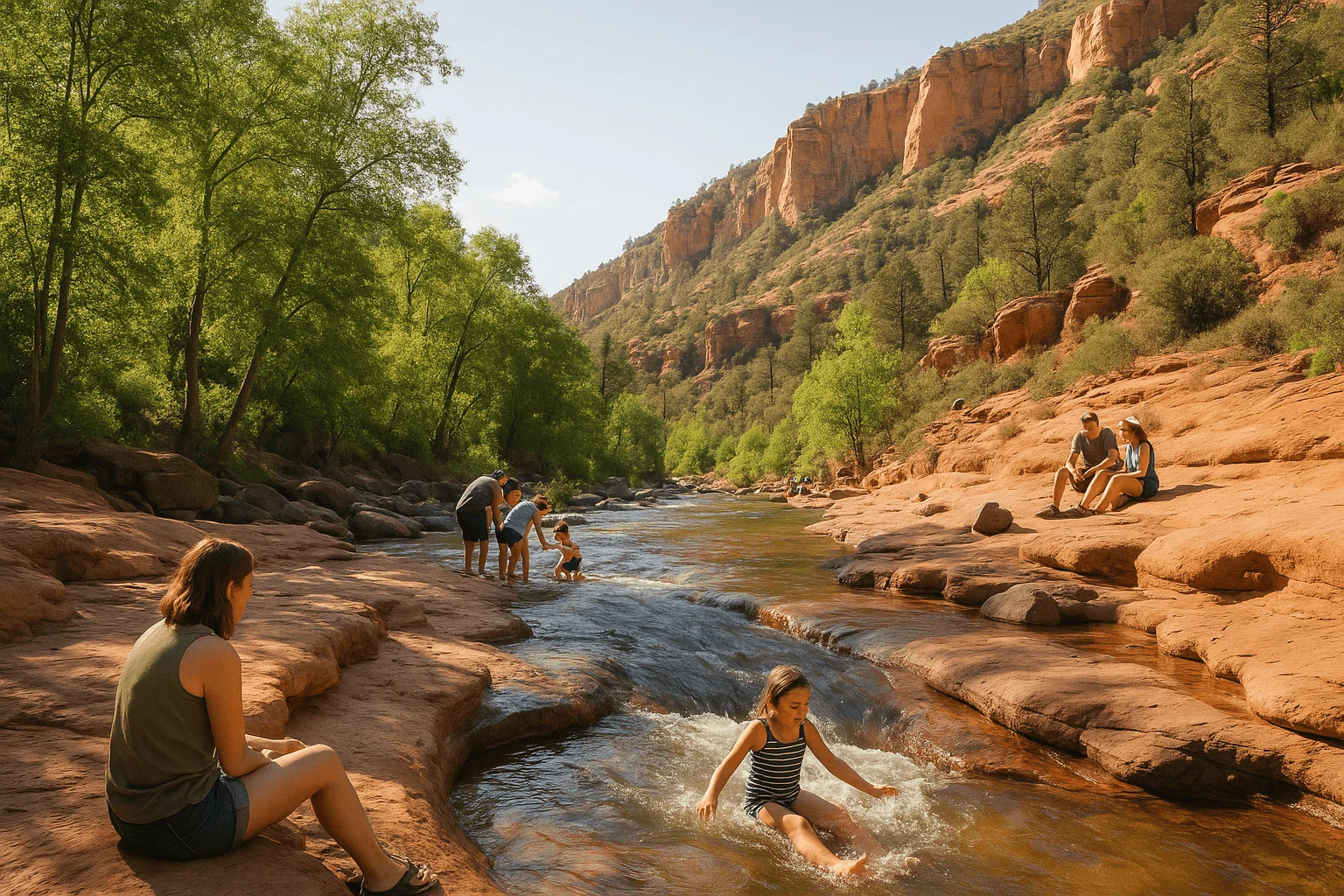
For a creek-centered trip, Slide Rock State Park north in Oak Creek Canyon and the Forest Service’s Crescent Moon Picnic Site are real water destinations, but neither is a guaranteed safe swim on a particular date. Natural rock is slick, levels and water quality can change, and storm runoff can travel from upstream. Check the park’s current operating and water notices before you drive. The weather service’s flash-flood guidance is especially important around washes and creek crossings. In contrast, Red Rock State Park is for nature walks; swimming and wading there are prohibited.
Summer can still be lovely for someone who does not need midday hiking. Start with the early light, spend the hot hours at lunch or indoors, then return outside only when conditions are suitable. Shop and gallery hours differ, so a “cool evening of browsing” should be checked against the actual store hours. Mi Amoré Sedona, for example, is open daily 10 a.m.–4:30 p.m.; put it after the morning outing, not into a late-evening plan.
Fall: the best mix for walking, with a 2026 West Fork exception
Late September begins to ease toward fall, but do not assume the first days of the month feel like October. October often gives the most comfortable balance for a trip with hikes, dinner outdoors and slow shopping; November is cooler and daylight gets shorter. This is also a popular time to visit, so make an access and parking plan for your main trail ahead of time rather than assuming you can decide at a full parking lot.
Autumn color is a reason to look toward Oak Creek Canyon, but there is an important current exception: West Fork Trail No. 108 is closed under Forest Service order 03-04-00-26-007 from September 26 through October 31, 2026, unless rescinded. Do not build an October 2026 trip around that trail without checking a new official notice. Look for accessible canyon viewpoints, Red Rock State Park’s marked paths or a different open trail, and expect foliage timing to vary with the year rather than promising a peak weekend.
For a fall two-day rhythm, make one morning the bigger hike and one morning the easy overlook or gallery day. Leave room for a late lunch around Tlaquepaque and the Brewer Road shops, then choose a sunset stop that does not require a long return after dark. The short daylight shift matters most when a family is tempted to start a canyon trail in the afternoon.
Winter: quieter days can reward a flexible visitor
December through February is the best fit if you prize space and a less hurried town visit over warm creek water. A sunny winter afternoon can be excellent for a lower, exposed trail, yet a cold morning may bring frost, ice or mud in shaded spots. Snow on the red rocks is possible, not part of a reliable booking plan. Choose the trail after checking the forecast and the actual surface, and leave a backup for a wet or icy day.
Winter is especially good for a simple combination: a short walk when the sun has had time to warm the trail, lunch in town, then galleries or a scenic drive before dark. Keep a layer in the car even if the afternoon begins warm. On a storm day, check ADOT’s current road restrictions before heading up State Route 89A through Oak Creek Canyon or toward Flagstaff. The road can be affected by conditions elsewhere along the route.
Do not promise yourself the lowest hotel price simply because the month is January. Compare your exact weekday, holiday period, room type, parking and total fees. Our budget-season guide goes deeper on that calculation; this seasonal guide is about whether the weather and daily rhythm match the trip you want.
Choose dates by the one thing you would regret missing
If the trip is primarily a hiking trip, favor April or October, accepting their demand and starting your major trail in the cooler hours. If it is a swimming trip, aim for warm weather but keep every creek day conditional on the forecast and site notices. If it is a photo trip, return in any season: winter can offer clear light, fall can add canyon color, and monsoon clouds can transform a view—but no one can promise a particular sky. If it is a relaxed shop-and-food weekend, you have the most freedom: choose a non-holiday weekday, walk Uptown separately from Tlaquepaque and the Hart Store, and do not build the day around trailhead parking.
Before setting a final itinerary, check three live things: the Flagstaff weather office forecast, the Sedona Shuttle calendar if a served trail matters, and current Coconino National Forest alerts for closures. Those checks take less time than a detour to a closed trail. For the rest, keep one unscheduled stretch in the day; that is often where Sedona feels most like a vacation.
GOOD TO KNOW