Real pros and trade-offs of living in Sedona
Considering living in Sedona? Here are the common benefits and compromises residents notice — from easy red‑rock access to visitor-driven congestion.
Pros: quick outdoor access and a compact Uptown area
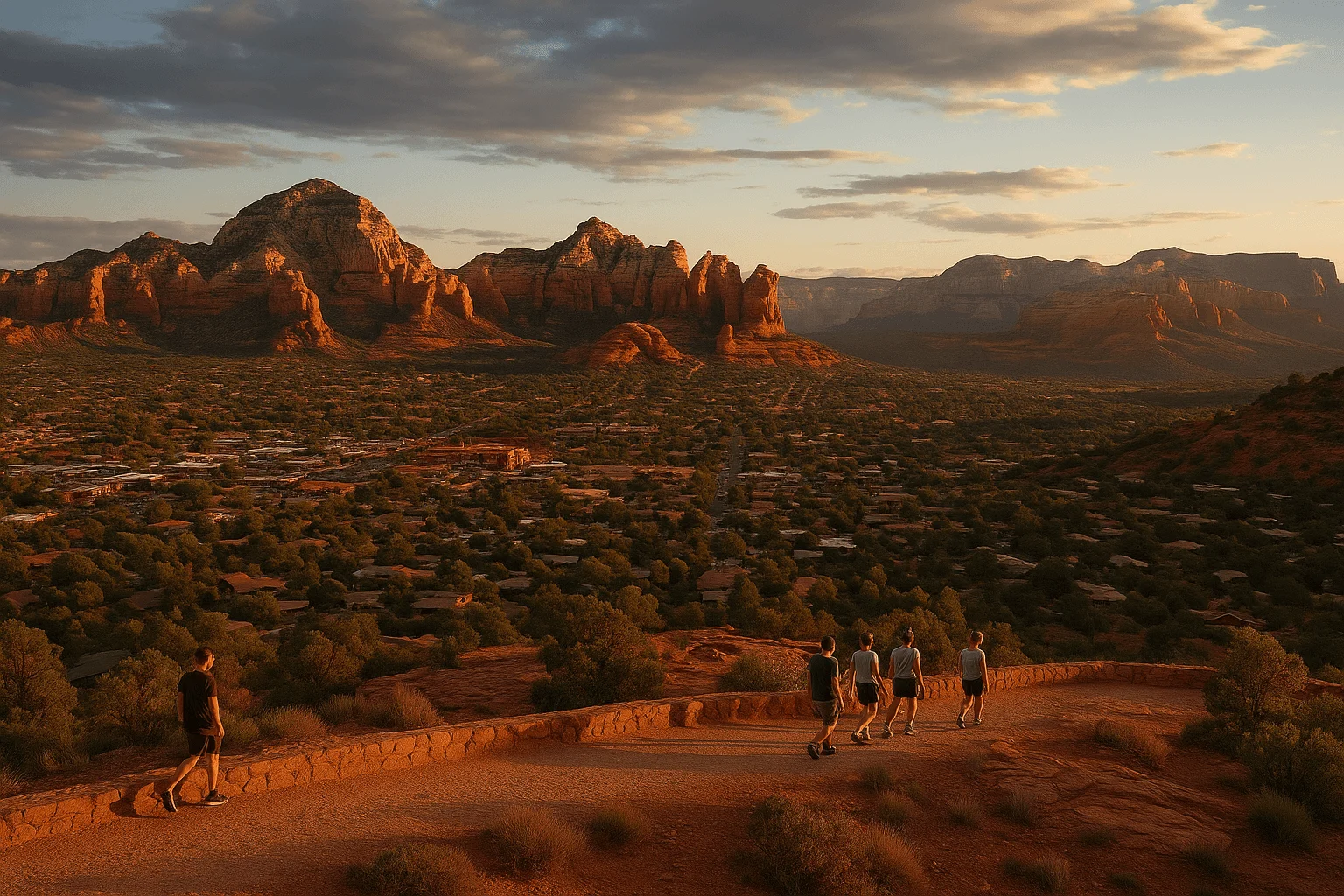
Living in Sedona puts you close to short hikes and overlooks — Cathedral Rock (Trail #170), Bell Rock (Bell Rock Pathway) and the Sedona Airport Scenic Overlook are frequent quick‑outings for locals. Red Rock Crossing / Crescent Moon Ranch and Red Rock State Park are reliable nearby options for creek walks and nature programming.
The SR‑179 corridor and Tlaquepaque Arts & Shopping Village concentrate galleries, dining and errands, making it easier to host visitors or run daily chores without long drives.
Outdoor access: easy day trips to Cathedral Rock, Bell Rock, Red Rock State Park and Slide Rock State Park (in Oak Creek Canyon).
Local amenities: Tlaquepaque and Uptown provide galleries, restaurants and basic services.
Shopping: Mi Amore Sedona in the historic Hart Store (Uptown) is a convenient local stop for gifts and keepsakes.
Cons: tourism, parking and higher costs
Tourism influences daily life: Slide Rock State Park and popular trailheads draw heavy traffic in warm months, and parking near viewpoints and creekside sites can be limited.
The cost of living in Sedona tends to be higher than nearby towns. Housing demand, seasonal short‑term rentals and visitor parking rules are factors to weigh if you're moving to Sedona Arizona.
Parking and passes: many trailheads require a Red Rock Pass or have limited spaces.
Seasonality: spring and fall bring the most visitors; winters are quieter but services can adjust their schedules.

Cost of living, housing and remote‑work realities
Practical notes on the cost of living in Sedona, housing options and what to expect as a remote worker.
Housing: buying, renting and neighborhood premiums
Prices vary by neighborhood and view. Properties with Airport Mesa, Uptown or Cathedral Rock views typically cost more, while condos and homes near the SR‑179 corridor or Village of Oak Creek often offer lower entry points.
Short‑term vacation rentals near Red Rock Crossing, Bell Rock or Uptown command higher nightly rates; long‑term leases usually provide better monthly value but inventory tightens during peak seasons.
Buying: expect premiums for direct red‑rock views and proximity to popular trailheads.
Renting: central dining areas (near Elote Café and Uptown) tend to be pricier for walkability.
Utilities, internet and working remotely
Internet and cell service are reliable in much of Uptown, West Sedona and along SR‑179, where Cox Communications and major carriers have the best coverage. Service can be spotty in Oak Creek Canyon or remote ridge properties.
Remote workers should confirm upload/download speeds with landlords, test mobile coverage at the property and consider a backup (mobile hotspot or satellite) if video calls are critical.
Service reality: wired internet (Cox) is common in populated areas; satellite and fixed‑wireless are options elsewhere.
Preparation: budget for occasional outages (monsoons, storms) and have a contingency plan for important meetings.
Best neighborhoods and who they suit
Neighborhood summaries to help match lifestyle needs — families, remote workers, retirees and budget‑minded movers.
Uptown and Airport Mesa — walkability and quick views
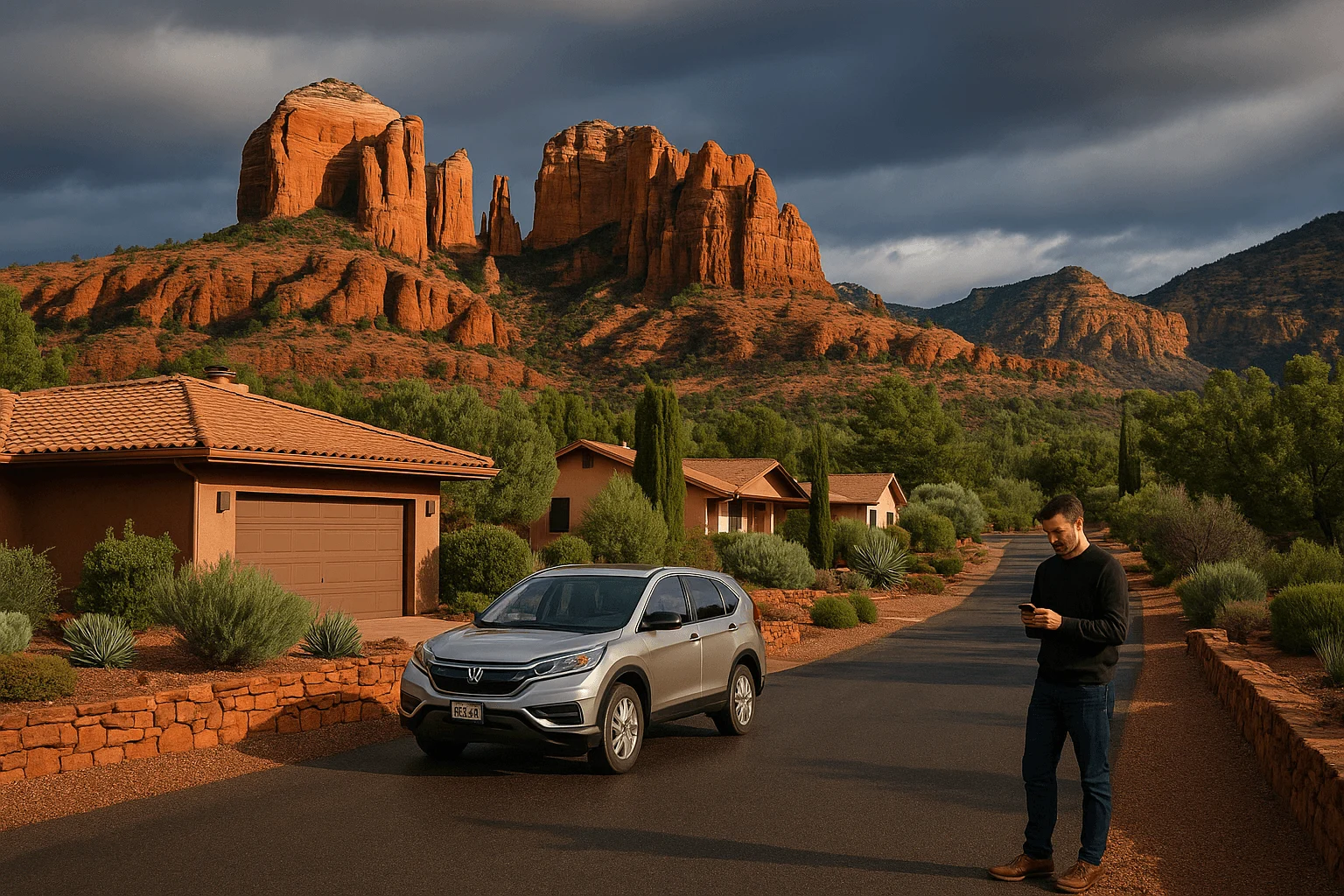
Uptown is the most walkable area for cafes, galleries and basic errands; the Airport Mesa overlook is minutes away for sunrise or sunset views. These neighborhoods suit people who want shorter drives to services and reliable coffee‑shop options for remote work.
Expect higher housing costs for properties with central or Airport Mesa views, balanced by proximity to clinics, groceries and dining (Elote Café is a popular reservation‑required spot).
Good for: remote workers and those who prioritize walkability and access to services.
Nearest outdoor access: short drives to Red Rock State Park and moderate drives to Cathedral Rock.
West Sedona / Red Rock Loop Road — outdoor‑oriented families
West Sedona neighborhoods near Red Rock Loop Road and Back O’ Beyond Road are convenient for regular trail use and for families who value nearby creek access at Red Rock State Park and Red Rock Crossing.
These areas are generally quieter than Uptown but usually require a car for groceries and many errands.
Good for: families and active retirees wanting routine outdoor access.
Walkability: lower; most errands require driving.
Village of Oak Creek / SR‑179 corridor — value with easy hikes
The Village of Oak Creek and the SR‑179 corridor provide easier access to Bell Rock and typically more affordable housing than central Sedona. This area suits people prioritizing cost‑of‑living balance while staying close to trailheads.
SR‑179 can be busy during peak season, but proximity to Tlaquepaque is convenient for dining and shopping.
Good for: buyers or renters seeking lower prices and easy Bell Rock access.
Commute: a short drive north gets you into Uptown and Gallery Row.
Daily life, etiquette and seasonal planning
Practical daily logistics — groceries, healthcare, trail etiquette and how to plan around busy seasons.
Groceries, healthcare and local errands
Grocery stores, clinics and pharmacies are concentrated near Uptown and the SR‑179 corridor; choose a home closer to those centers if you need frequent medical care or prescriptions.
For artisan gifts and local shopping, Mi Amore Sedona at the Hart Store and Tlaquepaque are useful. Plan major errands for weekdays to avoid visitor crowds.
Tip: schedule big errands on weekdays to reduce time spent in traffic and crowded lots.
Dining: popular spots like Elote Café often require reservations in spring and fall.
Trails, parking, passes and crowd management
Many Coconino National Forest trailheads — including Cathedral Rock and Bell Rock Pathway — participate in the Red Rock Pass system or have restricted parking. Slide Rock State Park charges entry and can reach capacity on warm summer days.
Arrive early for popular hikes or use less‑crowded access points; check Coconino National Forest and Arizona State Parks notices for temporary closures or maintenance.
Carry a Red Rock Pass where required and be prepared for limited parking at sunset locations like Red Rock Crossing.
Avoid peak crowds: early morning or weekday visits help, or choose Airport Mesa for quicker panoramic access.
Seasonal tips and neighborly norms
Spring and fall are the busiest visitor seasons; winter is quieter but canyon roads can be affected by storms. Locals generally expect visitors and follow simple etiquette: pack out trash, respect private driveways near trailheads and leash dogs where required.
Tlaquepaque hosts seasonal markets and events that are good for meeting neighbors but can affect parking.
Pet owners: check leash rules at Red Rock State Park and other public areas.
Community tip: support local businesses during off‑peak times to avoid crowds and help the local economy.
Related Sedona Guides
Best Sunrise and Sunset Photo Spots in Sedona (Map, Parking & Quick Tips)
How to Get to Sedona from Phoenix & Flagstaff: Shuttle, Rental and Rideshare Guide
10 Best Day Trips From Sedona — All Within 4 Hours (Drive Times & Top Stops)
A Few Local Tips
These simple tips can help your Sedona trip feel smoother and less rushed.
Sedona gets busiest in spring and fall, so earlier starts and advance bookings usually make the trip easier.
Drive times around town are short, but traffic and parking can still slow you down more than first-time visitors expect.
If you want a more relaxed day, mix one main activity with time in Uptown Sedona for shopping, coffee, or a casual walk.
GOOD TO KNOW