Sedona’s spiritual reputation grew from several stories meeting in one extraordinary landscape: the enduring relationship Indigenous peoples have with this homeland, a twentieth-century community of spiritual seekers, and the modern vortex movement that became widely known in the 1980s. The red rocks made the setting memorable. Teachers, gatherings, books and eventually guided experiences gave visitors a language for what they hoped to find here.
That history helps explain why a Sedona trip can mean such different things to different people. One visitor comes to meditate beneath Bell Rock; another wants to understand vortex beliefs; someone else finds their quiet moment in a church or beside Oak Creek. You can enjoy any of those experiences without expecting a particular sensation—or fitting them all into the same spiritual tradition.
If you are wondering why Sedona became famous for spirituality, start with how that reputation developed. Then choose a place that suits the kind of day you actually want.
The landscape came first
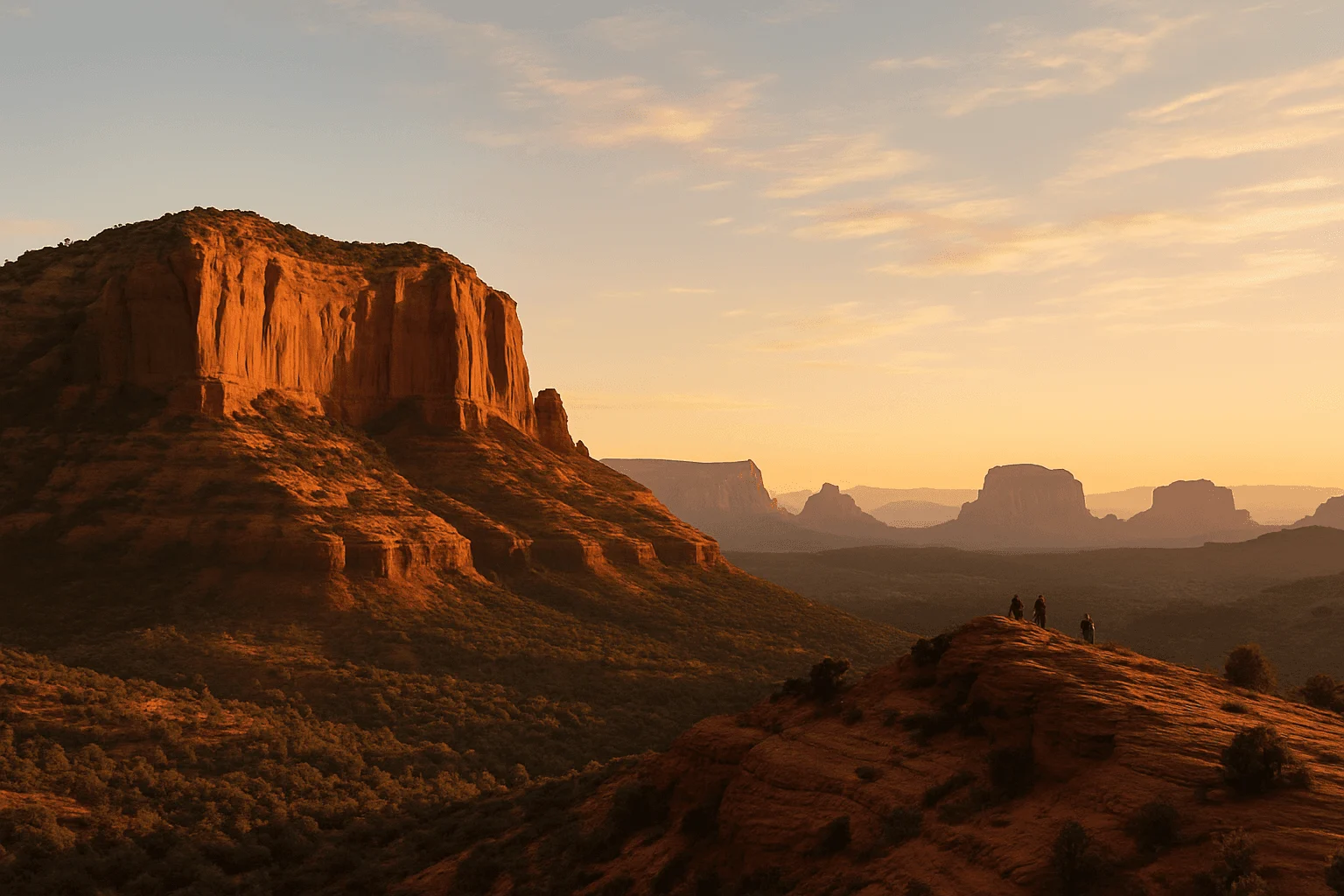
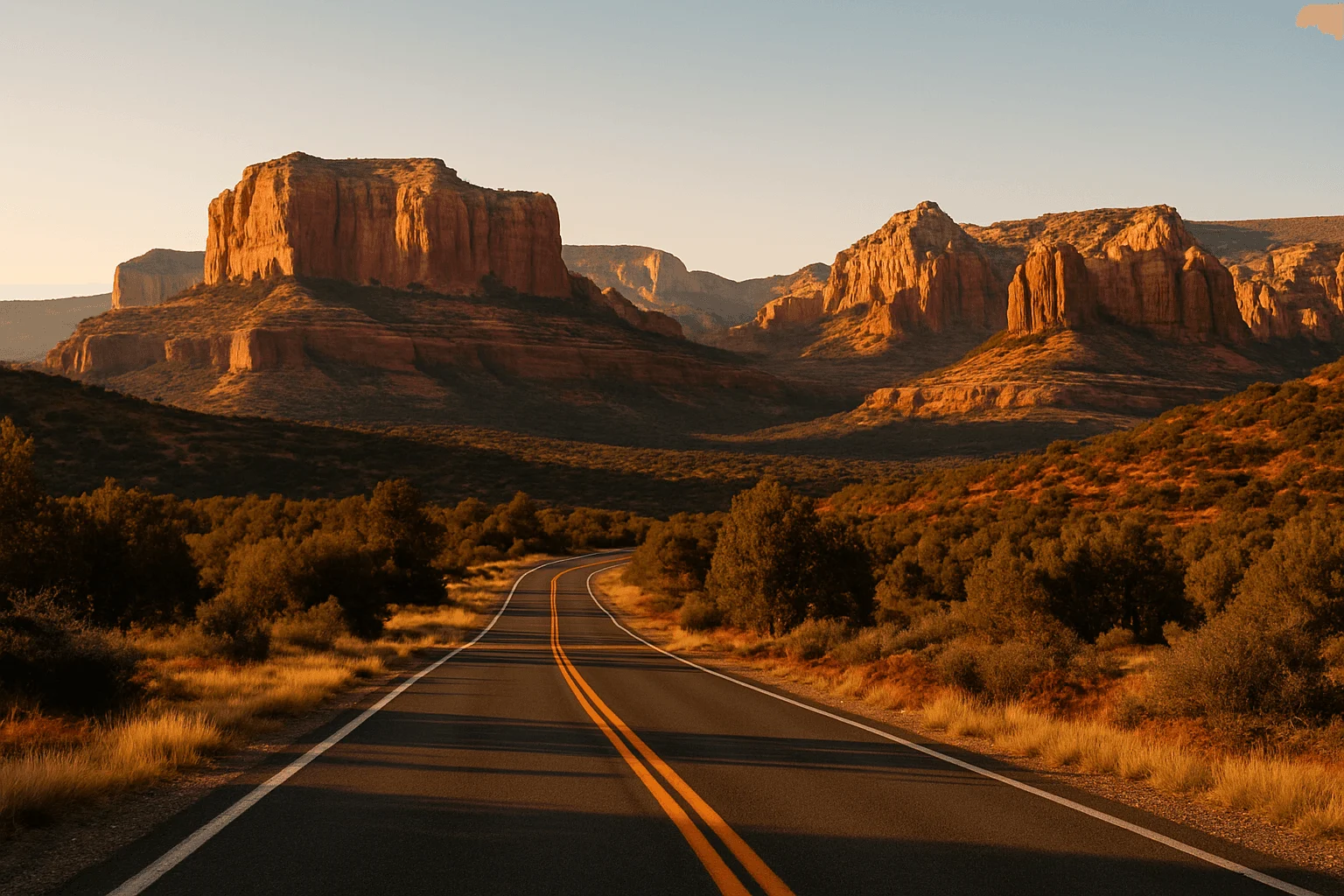
Before you hear a word about vortices, Sedona’s setting asks for your attention. Red towers rise above the road, canyons make the town feel smaller, and the changing light gives familiar formations a different character through the day. A few unhurried minutes looking across that landscape can be enough to explain its appeal.
Modern vortex guides often describe particular sites as places of concentrated spiritual energy. Sedona’s official visitor organization identifies Airport Mesa, Bell Rock, Cathedral Rock and Boynton Canyon as the four best-known examples. Those labels are beliefs and interpretations, rather than an instruction that every visitor should feel the same thing. Visit Sedona’s explanation of vortex beliefs is useful background before you choose a tour.
The scenery also matters to travelers who have little interest in metaphysics. A walk can be beautiful, a meditation personally meaningful, and a sunset worth remembering without establishing a special energy field. Give yourself permission to arrive curious rather than determined to have a dramatic experience.
Indigenous history is much older than the vortex movement
Red Rock Country was a homeland long before it became a visitor destination. The Yavapai-Apache Nation describes the Verde Valley as the homeland of its Yavapai and Apache peoples, and records their forced removal in 1875 and eventual return. These are continuing communities with living cultural relationships to the region, not simply a chapter that ended when the modern town appeared.
That distinction matters when a travel article calls Sedona “sacred.” A place can hold deep significance within a particular people’s history and beliefs without those beliefs being interchangeable with modern vortex teachings. Avoid assuming that a commercial ceremony advertised as “Native” represents the local Nation or that a guide’s interpretation gives permission to enter a cultural site.
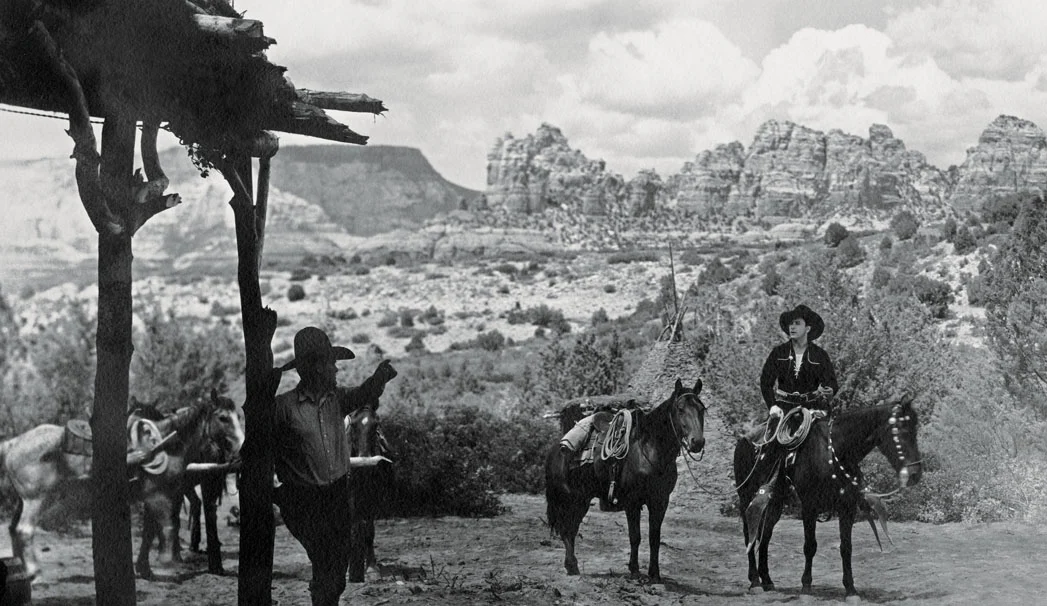
For an introduction grounded in the community’s own account, read the Yavapai-Apache Nation’s homeland history. Our history of Sedona connects that longer story with the later orchards, ranches, film locations and town that visitors recognize today.
How modern spiritual Sedona took shape
Spiritual communities preceded the famous vortex maps
The popular version of Sedona’s story can sound as though spiritual tourism suddenly appeared with a single map. Local accounts describe a more gradual process. In Toraya Ayres’s oral history, published on John and Micki’s metaphysical website, residents recall gatherings, teaching and community-building before the 1987 event that put Sedona in national headlines.
One participant, John Paul Weber, described beginning work on a healing center in 1979 and organizing a barter gathering in 1986. Those recollections show how connections formed through people, meetings and practical support. They are participants’ memories, rather than independent evidence for their spiritual claims. Read the local oral-history account for that perspective.
Page Bryant helped popularize the vortex idea
In its March 2025 reporting, Arizona Highways traces the growth of Sedona’s vortex reputation to psychic Page Bryant, who lived here in the late 1970s and early 1980s. She described particular red-rock locations as energy centers, and that interpretation spread within the growing New Age movement. The account explains an influential strand of Sedona’s modern identity; it does not establish that the claimed energy exists. Read Arizona Highways’ reported history.
Putting names on particular places made the idea easier for visitors to explore. Instead of searching vaguely for a spiritual experience, travelers could look for a recognizable formation, read a guide and choose an outing. That connection between a story and a real destination remains part of vortex tourism’s appeal.
The 1987 Harmonic Convergence brought wider attention
The major turning point was the Harmonic Convergence of August 1987, a New Age gathering celebrated at locations around the world. In its August 15 coverage, United Press International described plans for the following morning and identified Sedona among the gathering places. Local officials expected a substantial influx; the report also noted that hotels as far away as Flagstaff had filled.
This was a widely reported event, not an ancient Sedona ceremony. Its importance to the town’s reputation was the attention it brought to Sedona as a place where people gathered around spiritual ideas. The contemporary UPI report captures both participants’ expectations and the skepticism surrounding them.
As visitors encountered teachers, tours and other seekers, Sedona became a destination where that interest could shape an entire trip. Today, that can range from a simple guided meditation outdoors to a retreat organized around several days of practice. The history explains the reputation; your own interests should decide how much of it belongs in your visit.
Spiritual Sedona includes more than vortices
Two of the town’s most distinctive places for reflection come from specific religious traditions. Understanding them on their own terms makes a visit more rewarding than treating each as another energy stop.
The Chapel of the Holy Cross
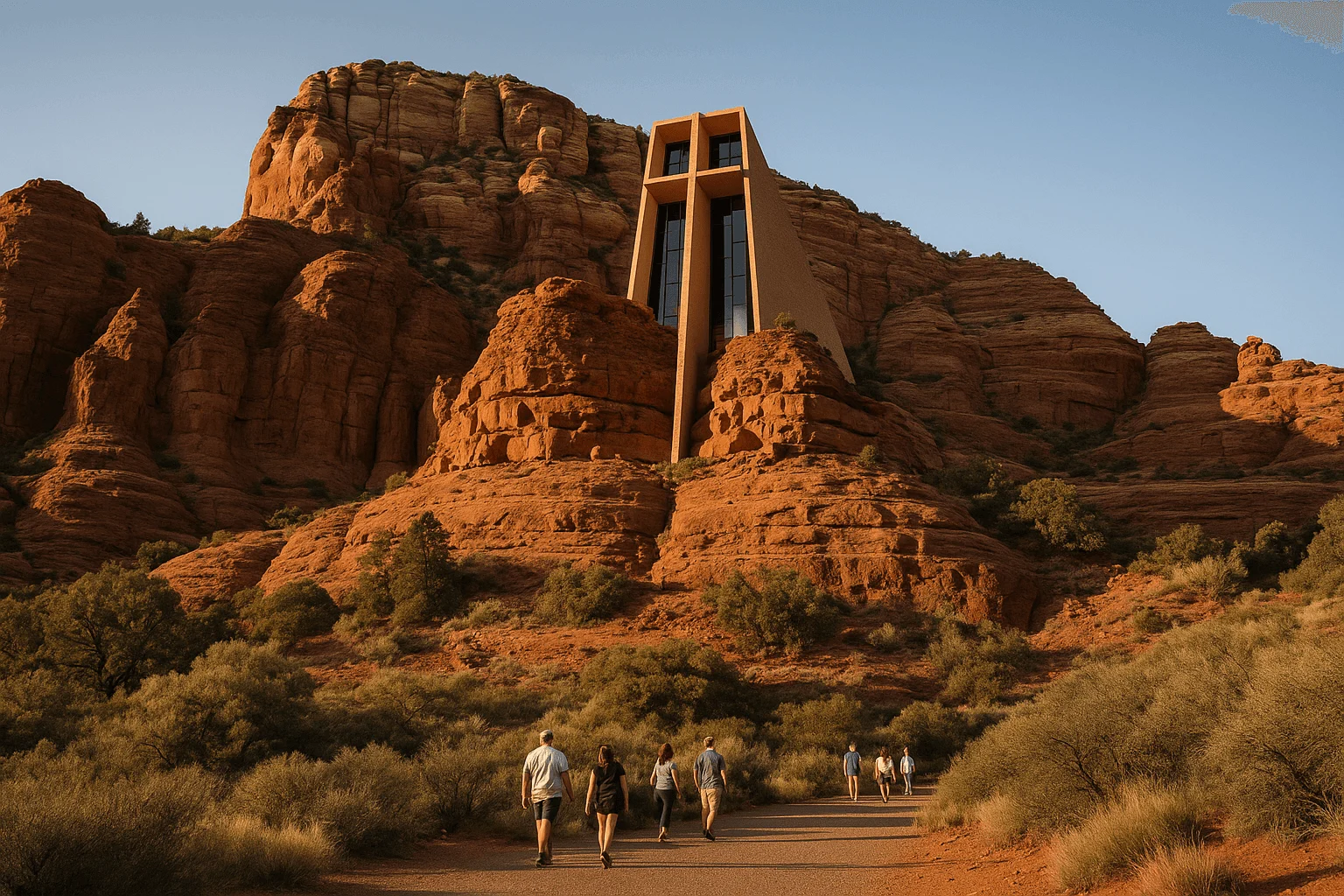
Completed in 1956, the Chapel of the Holy Cross predates the best-known modern vortex movement. It was commissioned by Marguerite Brunswig Staude and built into the red-rock setting as a place of Christian worship. Its striking architecture helps explain why so many visitors include it even when they are not seeking a religious experience.
This is a working Catholic chapel. Enter quietly, give worshippers space, and let the interior be more than a backdrop for photographs. The current visiting hours are 9am to 5pm, with last entry at 4:45pm. The uphill approach and limited parking deserve planning if walking is difficult for someone in your group. Consult the Chapel’s visiting information before going; a scenic location does not automatically mean effortless access.
Amitabha Stupa and Peace Park
In West Sedona, the Amitabha Stupa offers a different setting for prayer and meditation. Consecrated in August 2004, it belongs to Kunzang Palyul Chöling, a Tibetan Buddhist organization. Its caretakers explicitly say that the stupa itself is not a vortex.
The park at 2650 Pueblo Drive welcomes people of all faiths and is free, supported by donations. Visits are allowed from dawn to dusk; the parking lot opens from 8:30am to 5pm. Keep voices low, silence your phone, and do not climb the stupa, place objects on it or build rock piles. Contact KPC well ahead for group visits or special mobility arrangements. The official Stupa visitor guide explains its history and etiquette. This is a place for contemplation, so plan your picnic or recreational gathering elsewhere.
Where to experience the red-rock side of the story
You do not need to visit all four famous vortex locations to understand their appeal. Choose one that matches your energy, available time and comfort with the terrain. The spiritual labels are not trail ratings.
Bell Rock for a recognizable formation and a flexible walk
Bell Rock sits beside Highway 179 near the Village of Oak Creek. Its distinctive outline makes it an inviting introduction to the landscape, and walking part of the Bell Rock Pathway lets you decide how long to stay. You do not have to climb onto the formation to appreciate it.
The official pathway description notes a generally wide, hard surface alongside some steep hills and rocky, rough areas. Choose a turnaround that suits your group; “easy to see from the road” and “accessible throughout” are different things.
Cathedral Rock for a climb—or a view from the creek
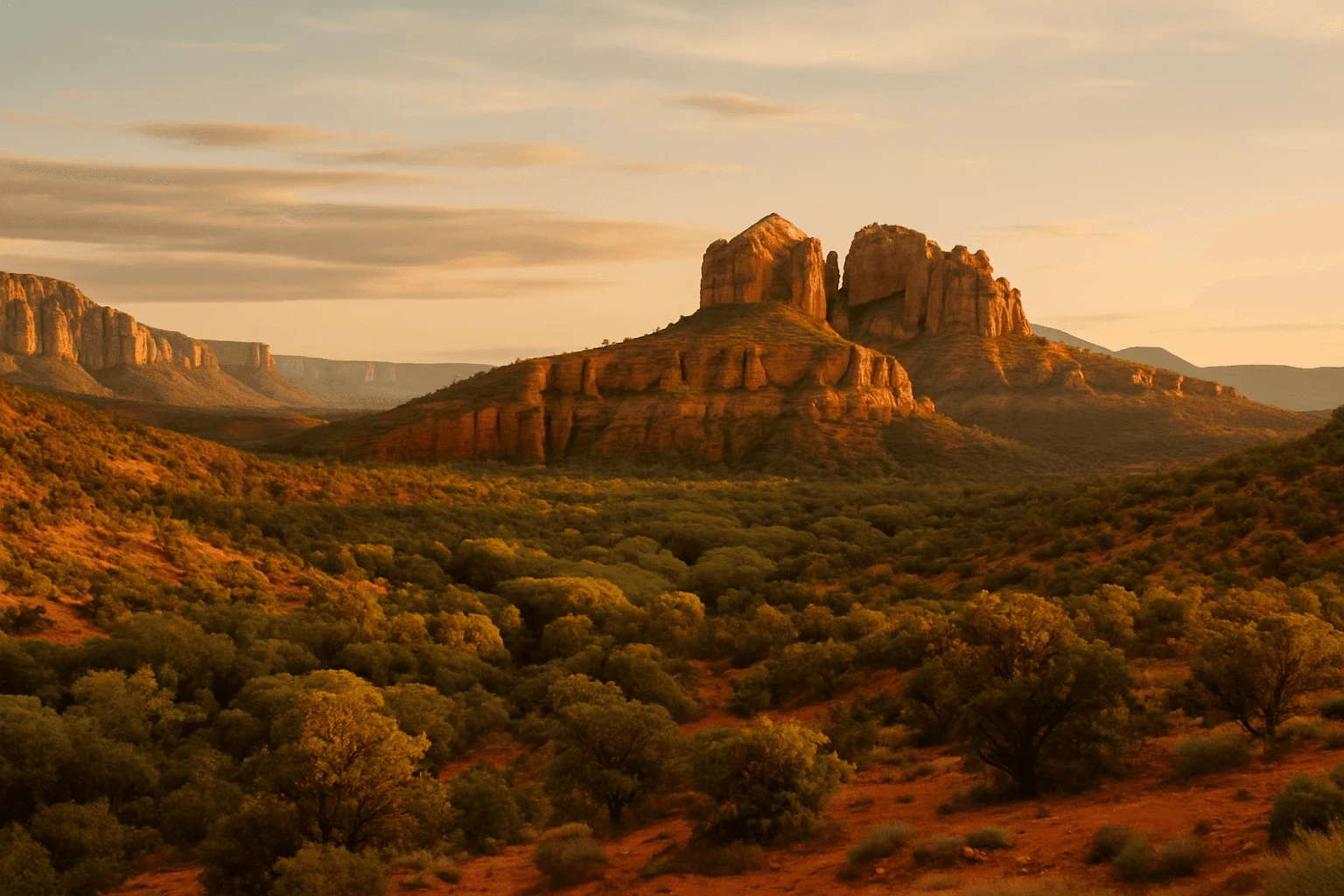
Decide which experience you want before entering Cathedral Rock in your navigation. The Cathedral Rock Trail from Back O’ Beyond Road is a strenuous, exposed climb. The Forest Service describes steep rock sections and a cleft with toeholds. It is a poor choice if your plan is simply to find a relaxed place to sit.
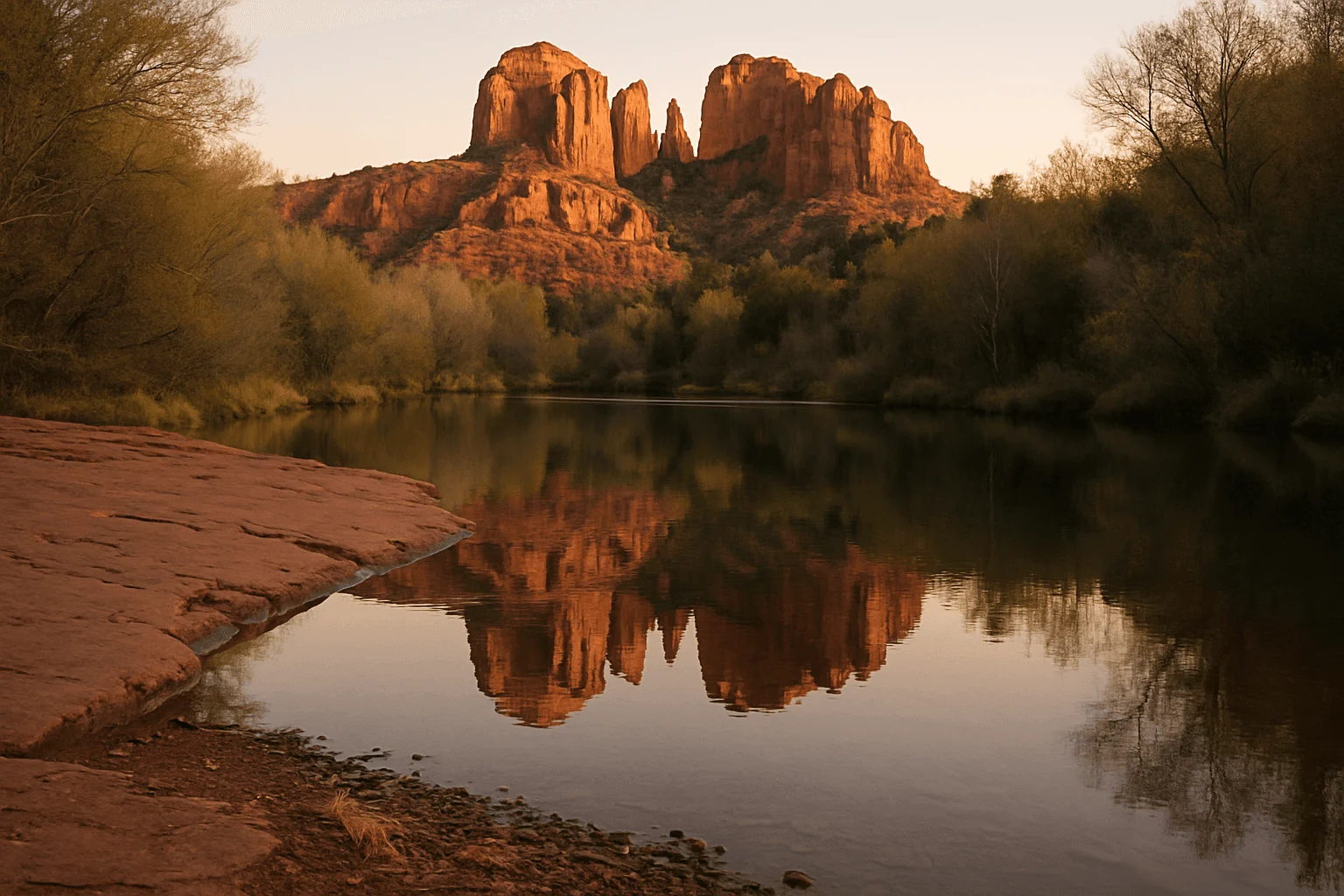
For the formation’s profile across Oak Creek, look instead at the Crescent Moon Picnic Site and Red Rock Crossing area. That is a separate approach, southwest of town, rather than the same trailhead with a gentler route to the top. It is also a popular recreation area, so quiet is not guaranteed. Check the official Crescent Moon listing and current entrance arrangements rather than assuming you can drive in before its gate opens.
Airport Mesa for the panorama, with the right arrival plan
Airport Mesa is familiar from sunset photographs, but the upper scenic overlook and the lower saddle associated with vortex visits are different destinations. The overlook works well when the view is your main interest; a trail outing requires appropriate shoes, water and daylight for the return.
The airport’s official overlook guide warns that pedestrians are prohibited on Airport Road. Use the marked trail connection when hiking between the upper parking area and lower trailhead, rather than walking the narrow road. Allow room in your evening for arrival and parking before the light you came to see.
Boynton Canyon for a canyon outing
Boynton Canyon gives the day a different shape: you are exploring a canyon environment rather than driving to a single overlook. Read the trail signs carefully, respect private property, and distinguish the whole canyon hike from any shorter viewpoint outing suggested by a guide. Do not extend a walk simply because you think the “right” experience must be farther along.
For route planning rather than history, use our Sedona vortex guide alongside current land-manager information. Pick the place first, then solve parking and transportation; trying to collect all four sites can turn a reflective day into a sequence of hurried arrivals.
Should you book a spiritual or vortex tour?
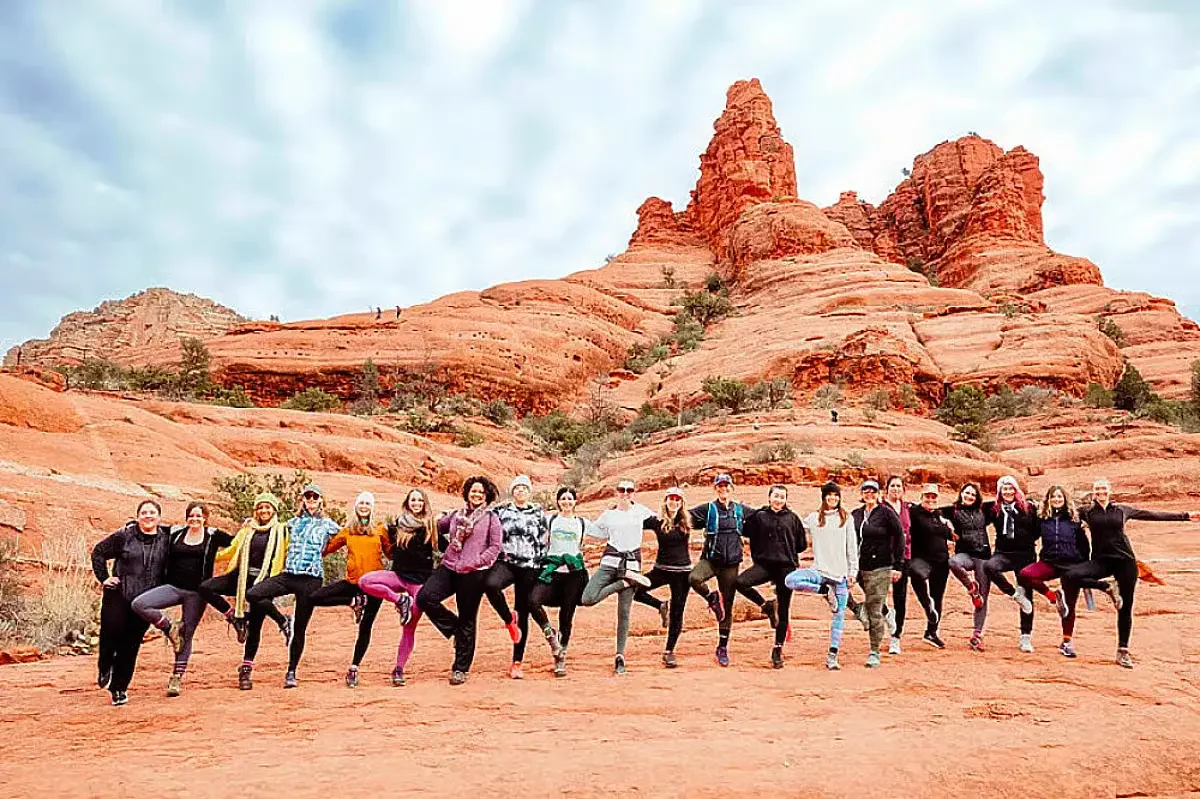
A guide can be useful if you want someone to explain the modern beliefs, lead a meditation or help you choose an outing suited to your group. Look at what you will actually do together. A vehicle tour with short stops, a multi-hour walk and an individual session are very different experiences, even when all three use the word “vortex.”
For a private outing with time outdoors, the Sedona Sunset Vortex Tour from One Tribe Tours is a relevant option. The current Viator listing gives an approximate three-to-four-hour duration and a Community Library Sedona meeting point at 3250 White Bear Road. It lists snacks and drinks, a private group format and cancellation for a full refund up to 24 hours beforehand. It is not wheelchair accessible.
Confirm the walking distance, terrain, exact meeting instructions and seasonal start time with the operator before reserving. Those details matter more than a promise of a powerful experience, and the listing’s brief itinerary does not establish a fixed stop at every famous vortex. Choose this kind of tour if guided reflection is something you want to spend an afternoon on; an independent viewpoint visit is enough if you mainly want scenery. No guide can promise that you will feel a particular energy or receive a medical benefit.
View Sedona Sunset Vortex Tour dates on Viator →
Make room for an ordinary, enjoyable Sedona day
A meaningful visit does not need to stay solemn from breakfast to sunset. Choose one outdoor place or religious site, leave time for lunch, and enjoy the town around it. Take water on trail outings, stay on marked routes, and leave plants, rocks and cultural objects where they belong. A quiet visit should also leave the place undisturbed for the next person.
If your afternoon brings you toward Tlaquepaque and Brewer Road, Mi Amoré Sedona is an inviting stop for curated gifts and pieces for the home and garden. The shop is in the historic Hart Store at 100 Brewer Road, open every day from 10am to 4:30pm. It gives the day a different pace: a little local history, a browse, and perhaps something you will enjoy long after the trip. Plan that stop before an evening tour rather than expecting the shop to be open after sunset.
Sedona’s appeal can be as simple as that: time in an unforgettable landscape, a better understanding of the stories people bring to it, and enough space to make the visit your own.
GOOD TO KNOW